


Global Trends in Automated Plant Oil Pressing: Technology, Benefits and Practical Adoption Roadmap
This industry research brief analyzes the integration of automation technologies into plant oil pressing production lines, focusing on control systems, intelligent sensing, digital management and operational outcomes — yield stability, energy efficiency and scalable throughput. The content is designed for production managers, equipment procurement teams and technical decision-makers evaluating modernization.
Market Drivers and Strategic Imperatives
The plant oil processing sector is moving decisively toward automation as a response to three converging pressures: the need for higher consistent yields, energy cost containment and workforce constraints. Manufacturers aiming to remain competitive now prioritize solutions that deliver measurable improvements in oil recovery, reduce variability across batches and enable remote operations. Industry analyses consistently point to automation as the most direct lever to improve overall equipment effectiveness (OEE) and reduce unplanned downtime.
Typical adoption drivers include:
- Throughput scalability to meet seasonal and contract-driven demand peaks.
- Regulatory and food-safety traceability requirements that demand digital records and batch tracking.
- Labor shortages and upskilling imperatives pushing operators toward supervisory roles.
Core Automation Technologies in Modern Oil Pressing Lines
Automation is an ecosystem rather than a single product. Effective lines combine hardware, embedded control, sensing and data layers to create predictable, tunable processes.
PLC / SCADA and MES Integration
Programmable logic controllers and supervisory control platforms are the backbone for deterministic control. Manufacturing Execution Systems (MES) add batch reporting, traceability and KPI dashboards.
Intelligent Sensing & Process Analytics
Load cells, inline viscosity and moisture sensors, inline spectrometers (NIR) and torque monitoring enable closed-loop control to maintain optimal pressure and temperature, which stabilizes oil yield.
Predictive Maintenance & IIoT
Edge gateways, vibration analysis, and anomaly detection models reduce unplanned stops by identifying bearing wear or misalignment before failure.
Emerging Capabilities
Digital twin simulations, AI-assisted recipe optimization, and vision systems for seed/grain quality sorting are moving from pilot projects into commercial deployments — particularly for medium-to-large producers seeking predictable product specifications and tighter process windows.

Quantified Operational Benefits
Independent implementations and supplier case studies indicate measurable gains across key operational dimensions. The ranges below reflect aggregate results reported by multiple mid-size and large plants after full automation upgrades.
| Metric | Typical Range of Improvement | Operational Impact |
|---|---|---|
| Throughput | +25% to +50% | Ability to process more raw material during peak seasons with stable cycle times. |
| Oil Recovery (Yield) | +0.8 to +3.0 percentage points (absolute) | Smaller margin gains drive substantial revenue lift at scale and reduce byproduct waste. |
| Energy Consumption | -10% to -25% | Optimized motor control and heat-recovery reduce kWh per ton processed. |
| Unplanned Downtime | -40% to -65% | Predictive maintenance and condition monitoring extend MTBF and stabilize supply. |
These flows of improvement are interrelated: a small absolute improvement in oil recovery (e.g., 1%) can materially improve margins when multiplied across annual throughput. Energy savings compound over time, improving the plant's carbon and cost profiles.
Practical Implementation Roadmap
- Assessment & KPI Definition (2–6 weeks)
Conduct material characterization, baseline energy and yield audits, and agree on KPIs (OEE, oil recovery, energy per ton, availability). - Pilot & Integration (3–6 months)
Implement PLC/SCADA control loops on a single press or module, add key sensors and validate recipe control with 4–8 weeks of data collection. - Scale & Digitize (3–9 months)
Roll out MES, batch traceability and predictive maintenance. Integrate line-level data into dashboards for supervisory control and supply-chain visibility. - Continuous Optimization (Ongoing)
Apply statistical process control and occasional AI-model retraining to adapt to seasonal variability and new raw material sources.
Typical time-to-value depends on plant complexity and change management. Many facilities report measurable benefits within 6–12 months after pilot completion when KPIs are actively monitored and operated.
Integration Risks and Mitigation Strategies
Legacy Equipment
Use modular controllers and fieldbus adapters to avoid full-line replacement. Start with critical process points to prove ROI.
Workforce Transition
Invest in operator training and clear SOPs. Automation shifts staff from repetitive tasks to supervision, diagnostics and quality control.
Cyber-Physical Security
Segment OT networks, use secure gateways and maintain patching discipline for PLC/SCADA devices to limit exposure.
Maintenance, Service and After-Sales Expectations
Suppliers should offer a blend of on-site commissioning, remote monitoring and operator training. Recommended service elements for mature automated lines:
- Remote performance monitoring and health dashboards (24/7 optional).
- Predictive spare-part kits to reduce MMT (mean maintenance time).
- Structured training programs for line supervisors and maintenance technicians.
- Contractual KPI guarantees with transparent escalation and support SLAs.
Plants that adopt these practices typically see accelerated stabilization after initial deployment and maintain higher availability rates over the equipment lifecycle.
Frequently Asked Questions (Buyer-Centric)
- How much does automation improve oil yield?
- Automation stabilizes process variables and can increase recovery by 0.8–3.0 percentage points depending on seed type and baseline process. Small absolute increases translate to sizable volume gains at scale.
- What sensors matter most in a press line?
- Moisture sensors, inline torque/pressure monitoring, motor energy meters and NIR for material quality are fundamental. These feed closed-loop controls that maintain optimal pressure and temperature profiles.
- How long before automation pays back?
- Payback depends on plant utilization and the magnitude of efficiency gains. Many plants observe measurable ROI within 12–36 months when yield and energy savings are realized and downtime is reduced.
SEO-Driven Content & Keywords for Supplier Selection
For procurement teams creating RFPs and marketing teams optimizing supplier content, prioritize these keyword clusters: "plant oil processing automation", "intelligent oil pressing line", "MES for oil mill", "predictive maintenance oil press", "oil yield optimization sensors". Long-tail phrases that align with buyer intent include:
- "automated seed pressing line for vegetable oil production"
- "real-time yield monitoring in oil mills"
- "PLC SCADA integration for oil extraction plants"
- "predictive maintenance solutions for screw press"
Explore a Turnkey Automated Oil Pressing Solution
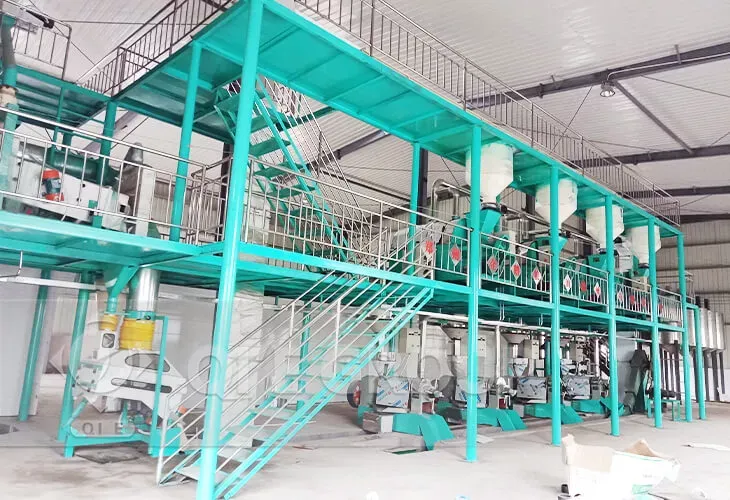
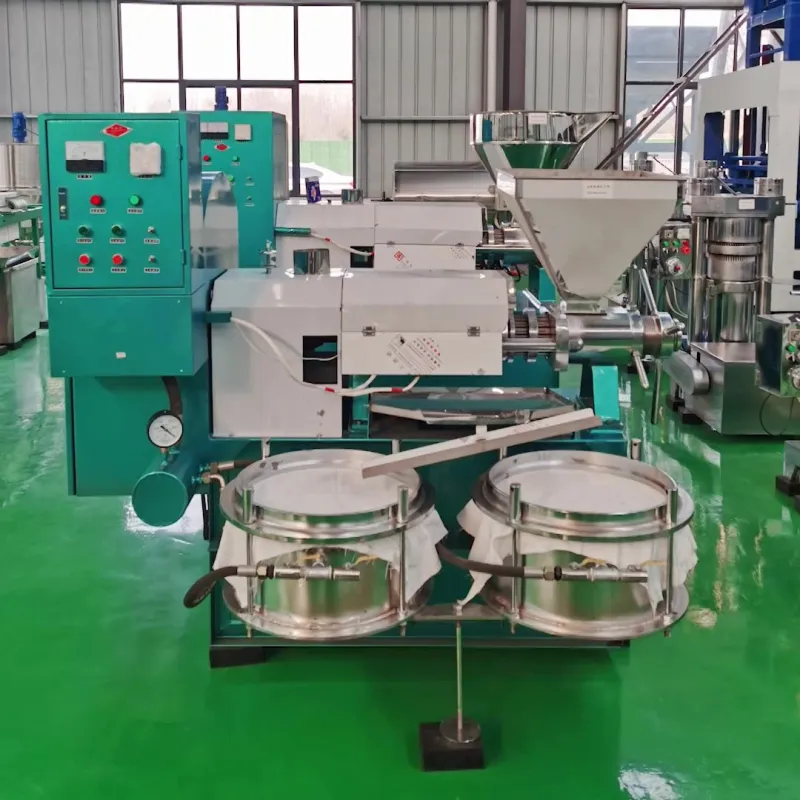
For production managers seeking a partner that combines domain expertise with end-to-end delivery, QIE Group provides modular automated pressing lines designed for predictable yield enhancement and robust after-sales support. QIE Group solutions emphasize:
- Custom control architectures (PLC/SCADA + MES) aligned to plant KPIs.
- Integrated sensor suites for real-time process control and traceability.
- Global commissioning, operator training and 24/7 remote diagnostic capabilities.
QIE Group offers tailored consultations to review plant-level KPIs and propose a pilot pathway. Contact to discuss line configuration, integration approach and service options.
Engagement: Comments, Questions and Next Steps
Readers are encouraged to use the comment area or the Q&A panel below to request sample KPI templates, pilot checklists or technical datasheets. Typical information requested during early evaluation includes baseline oil recovery reports, energy consumption logs and available PLC communication standards.
Q&A
Question: "What KPIs should be tracked during a 90-day pilot?" — Suggested: OEE, oil yield by batch, energy per ton, downtime minutes, and number of recipe adjustments. These metrics allow objective assessment of process stability and economic benefit.



Comment Area
Please share your plant type, average daily throughput and primary raw material (soybean, sunflower, rapeseed, etc.) to get more tailored guidance.