

In the pressing process of animal and vegetable oils, temperature and pressure are critical parameters that significantly influence oil yield and quality. This guide delves deep into the optimal temperature and pressure settings for different oil - bearing crops such as palm fruits, rapeseeds, and peanuts during the pressing process.
Temperature plays a vital role in oil extraction. Generally, for rapeseeds, an increase in temperature from 60°C to 80°C can lead to a 5 - 8% increase in oil yield. Higher temperatures can reduce the viscosity of the oil, making it easier to flow out of the oil cells. However, excessive temperatures can also cause the oil to oxidize and degrade, affecting its quality. Pressure, on the other hand, directly impacts the physical extrusion of oil from the raw materials. For peanuts, applying a pressure of 3 - 5 MPa can achieve a relatively high oil yield. But over - pressurization may crush the oil cells too much, leading to the mixing of impurities in the oil.
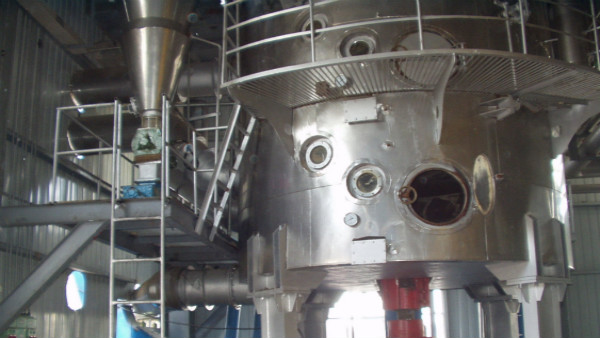
Each type of oil - bearing crop has its own optimal pressing curve. For palm fruits, the initial pressing temperature can be set at around 70°C, and the pressure gradually increases from 2 MPa to 4 MPa during the process. Rapeseeds may require a pre - heating process to 75°C before pressing, and then the pressure is adjusted according to the pressing stage. By adjusting these parameters based on the characteristics of different raw materials, producers can maximize oil yield and improve oil quality.
Raw material pretreatment is an important step to improve oil extraction efficiency. For example, cleaning, crushing, and steaming the raw materials can break the cell walls of the oil - bearing crops, making it easier for the oil to be released. Studies have shown that proper pretreatment can increase the oil yield by 3 - 6%.
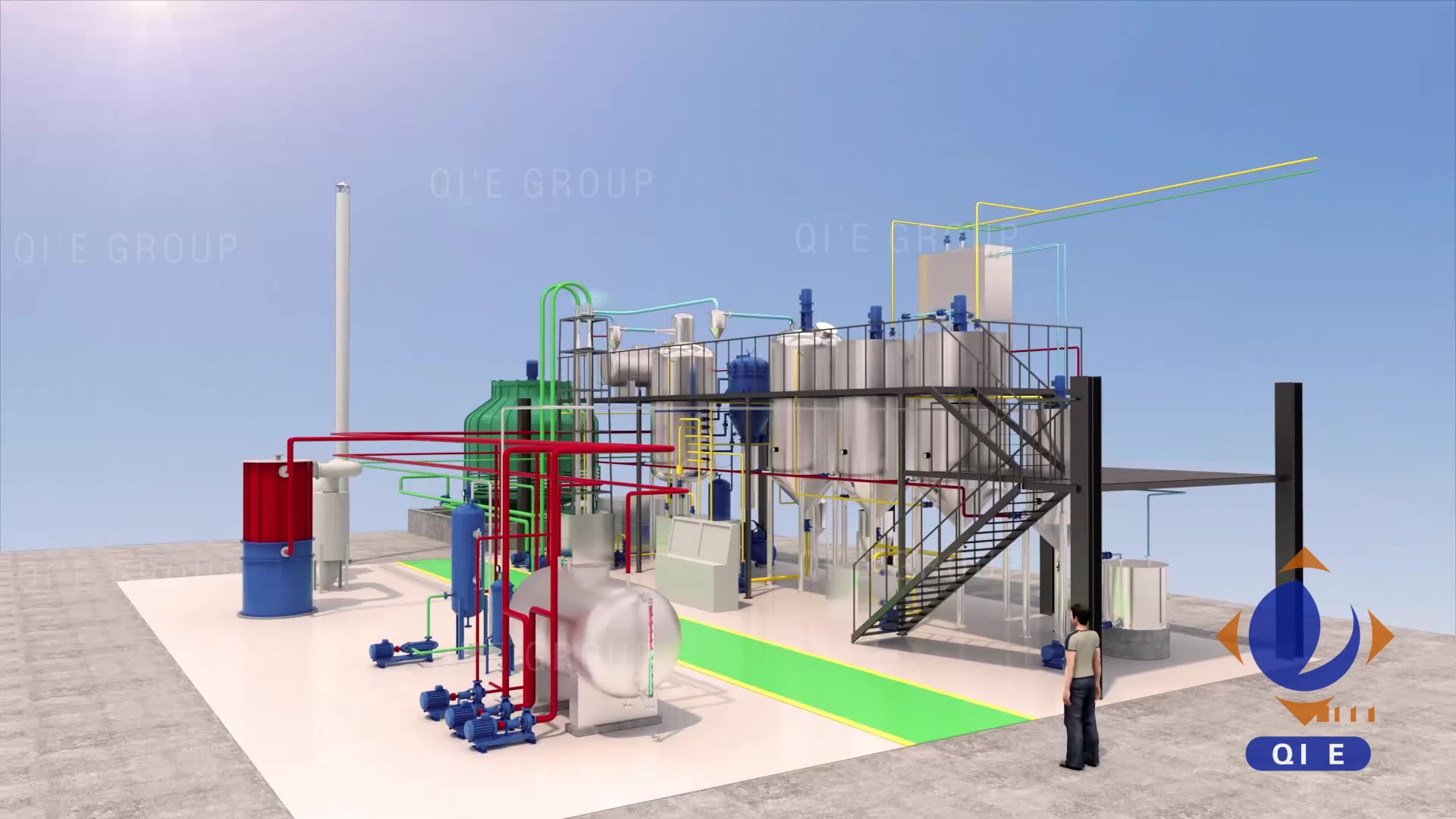
Automation control systems are crucial for stable production and real - time parameter adjustment. These systems can monitor temperature and pressure in real - time and make corresponding adjustments according to the set parameters. By using automation control systems, the stability of oil production can be improved by 10 - 15%, reducing the impact of human factors on the production process.
Online detection technology can detect the quality of the raw materials and the oil in real - time. When the raw material quality fluctuates, the system can adjust the temperature and pressure parameters immediately. This technology can reduce the impact of raw material fluctuations on oil yield by 5 - 8%.
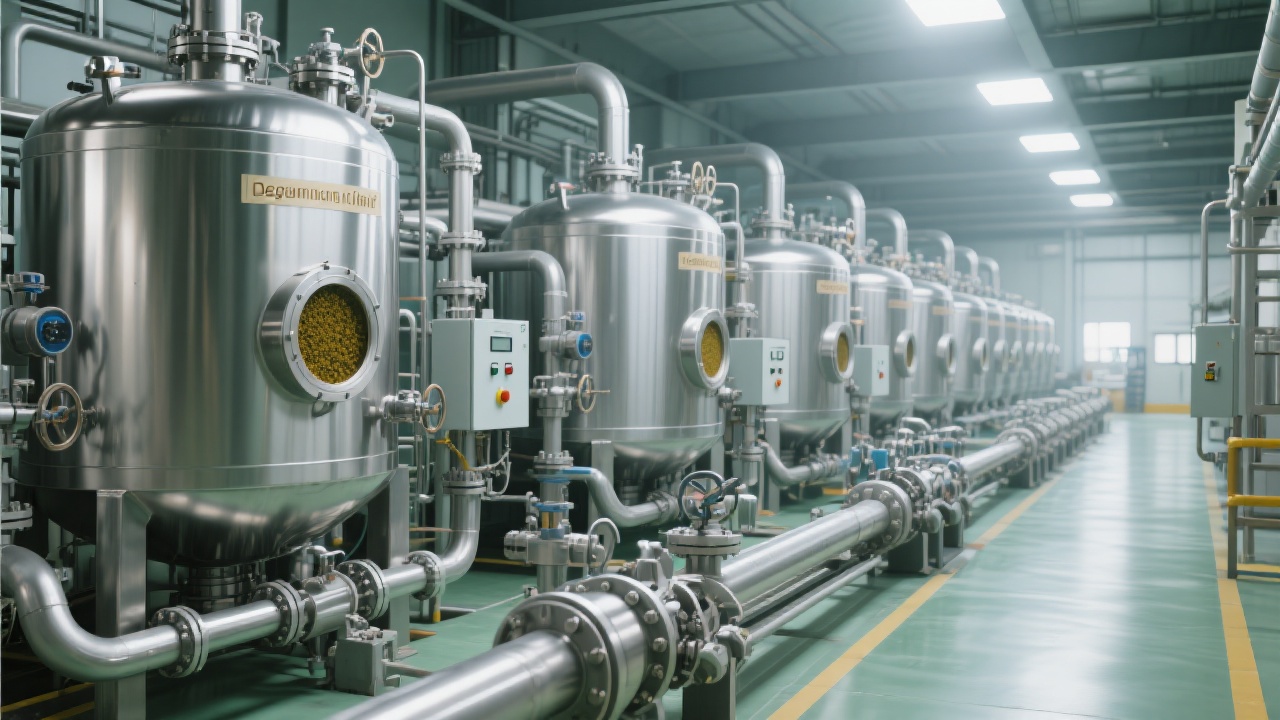
In a certain palm oil production plant, by optimizing the temperature and pressure parameters and using an automation control system, the oil yield increased from 22% to 25%. In a rapeseed oil factory, after implementing online detection technology, the oil quality stability improved significantly, and the reject rate decreased by 12%.
Q: What is the best temperature range for peanut oil pressing? A: Generally, the temperature range of 70 - 85°C is relatively suitable for peanut oil pressing.
Q: How does automation control system improve oil production? A: It can monitor and adjust temperature and pressure in real - time, reducing the influence of human factors and improving production stability.
We encourage you to share your thoughts and questions in the discussion area below. Let's exchange ideas and promote the development of the oil - pressing industry together!
If you are looking for high - efficiency and environmentally friendly oil - pressing equipment solutions, QIE Group is your ideal choice. Our advanced equipment can help you optimize the oil - pressing process and improve production efficiency. Click here to learn more about QIE Group oil - pressing equipment and get professional support!


