

In today’s competitive global market, peanut oil producers face constant pressure to improve efficiency, reduce downtime, and ensure consistent quality—all while maintaining strict safety standards. Traditional manual control systems are no longer sufficient. They often lead to operator errors, delayed responses to equipment issues, and inefficient resource use. According to a 2023 industry survey by Food Processing International, over 67% of small-to-mid-sized oil mills reported at least one major production disruption per quarter due to human error or mechanical failure.
The solution lies in intelligent automation—specifically, a robust PLC (Programmable Logic Controller) + SCADA (Supervisory Control and Data Acquisition) system. This architecture enables full-loop monitoring across all stages—from raw material feeding to final packaging. Real-time data from sensors on presses, filters, and refining towers flows into a centralized dashboard, allowing operators to visualize and manage the entire process with precision.
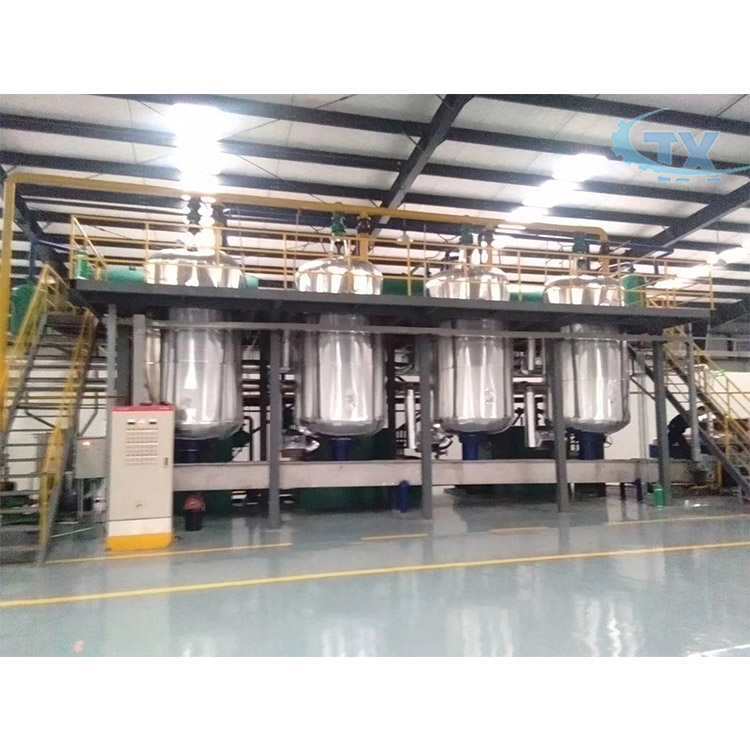
What truly sets modern systems apart is AI integration. Machine learning models analyze patterns in motor current, temperature, and pressure data—not just to react but to predict potential failures. For example, if a filter shows a gradual increase in resistance, the system flags it before clogging occurs. One client in India saw a 40% reduction in unplanned stops after implementing this predictive logic.
“We used to lose 3–4 hours every week troubleshooting minor issues manually. Now, our team gets alerts before problems escalate.” — Rajesh Mehta, Plant Manager, Gujarat Oil Co.
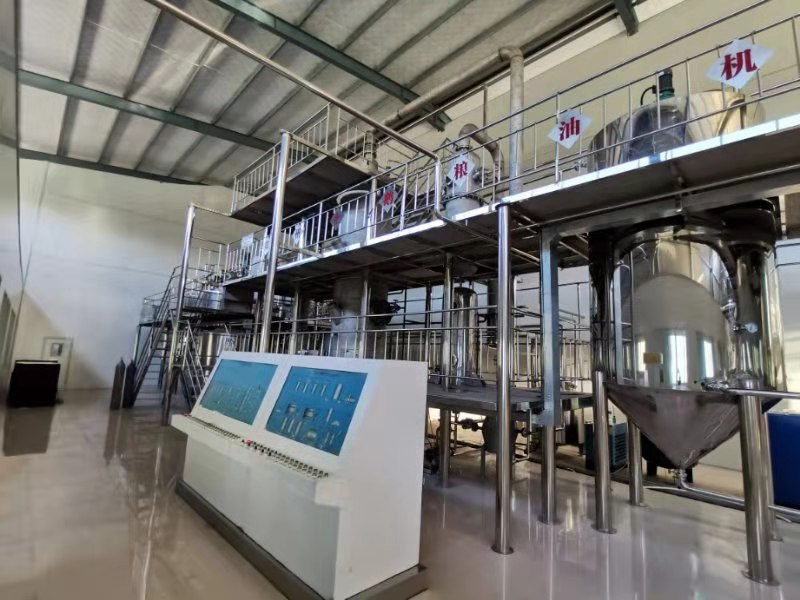
With remote diagnostic capabilities, engineers can troubleshoot issues without being physically present—a game-changer for facilities in remote locations. In one case, a Malaysian oil mill avoided $18,000 in repair costs by identifying a faulty valve via cloud-based diagnostics, preventing a full shutdown. On average, companies using remote monitoring report a 30% drop in maintenance labor costs within six months.
Moreover, these systems streamline training. New operators can observe historical operations through replay functions, reducing ramp-up time from weeks to days. This not only improves compliance but also boosts confidence among staff who previously feared making costly mistakes.
As AI models evolve, future systems will adapt autonomously to varying raw material qualities, seasonal demand shifts, and even regional regulatory requirements. The next generation of smart controls won’t just respond—they’ll anticipate, optimize, and continuously learn. For forward-thinking manufacturers, this isn't just an upgrade—it's a strategic advantage.
If you're ready to transform your peanut oil production from reactive to proactive, Download Our Free Technical White Paper on Smart Control Solutions. Discover how leading producers are achieving up to 25% higher throughput and 40% fewer unplanned outages—with less effort.


