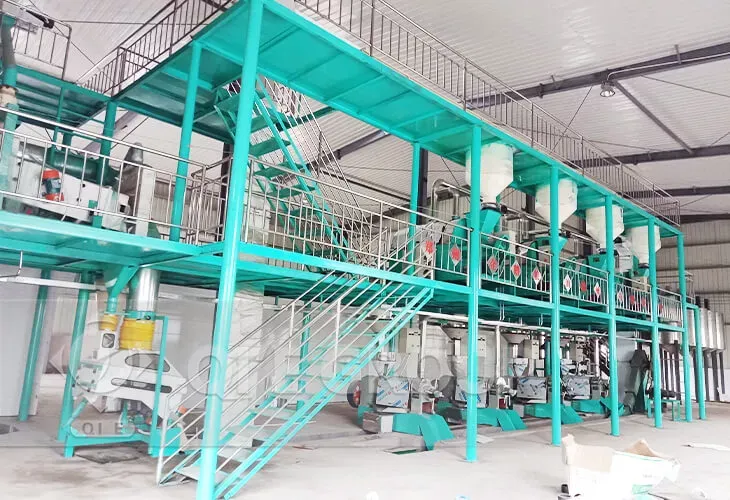
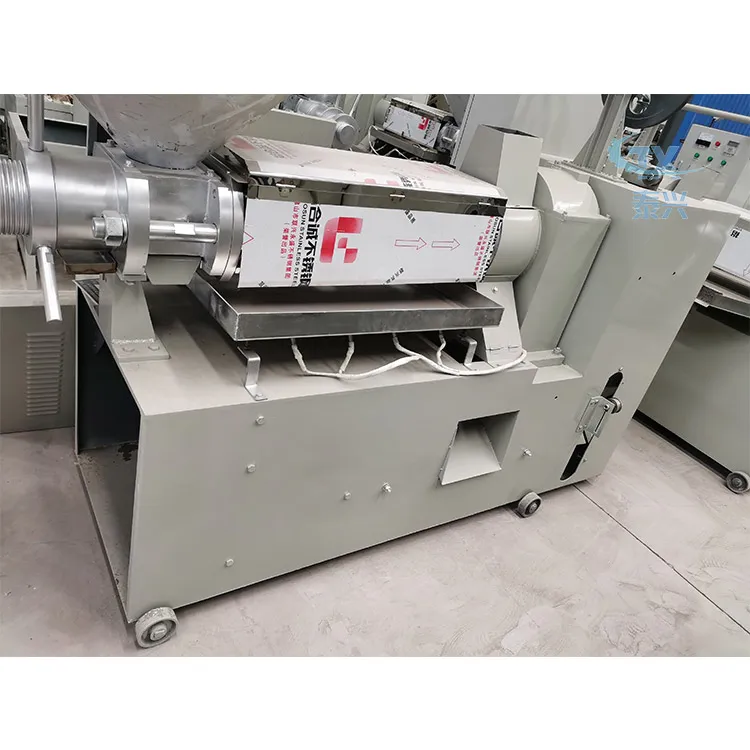
For decades, oil mills have relied on manual oversight to manage peanut oil extraction—yet this approach is increasingly outdated. Inconsistent human responses, delayed interventions, and lack of real-time data lead to frequent bottlenecks. A recent study by the International Food Processing Association found that 68% of small-to-mid-sized oil plants still use semi-automated systems, resulting in an average of 18 hours per month lost to unplanned downtime.
Modern peanut oil lines now integrate a robust PLC (Programmable Logic Controller) + SCADA (Supervisory Control and Data Acquisition) architecture. This setup acts as the central nervous system—monitoring everything from temperature zones to pump pressure across cold-press and hot-press stages. One client in Gujarat, India, reported a 40% reduction in production errors within just three months of implementation, thanks to automated interlocks that prevent unsafe operating conditions.
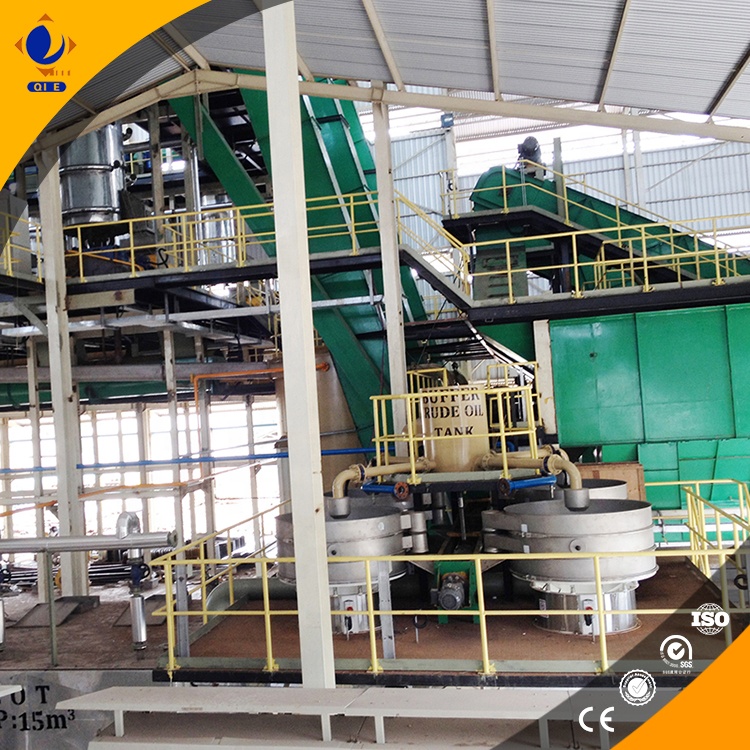
What sets advanced systems apart is their integration of AI algorithms trained on historical operational data. By analyzing current draw patterns and pressure fluctuations, these systems can detect early signs of issues like motor overloads or pipeline blockages—often before they cause visible damage. For example, at a facility in Nigeria, AI flagged a sudden 12% increase in motor load during refining—a sign of potential clogging. Operators intervened before a full shutdown occurred, saving an estimated $12,000 in lost production and cleanup costs.
This predictive capability isn’t just about avoiding breakdowns—it’s about optimizing performance. On average, plants using AI-driven diagnostics see a 25–35% improvement in energy efficiency, particularly when balancing heat usage between pre-heating and degumming stages.
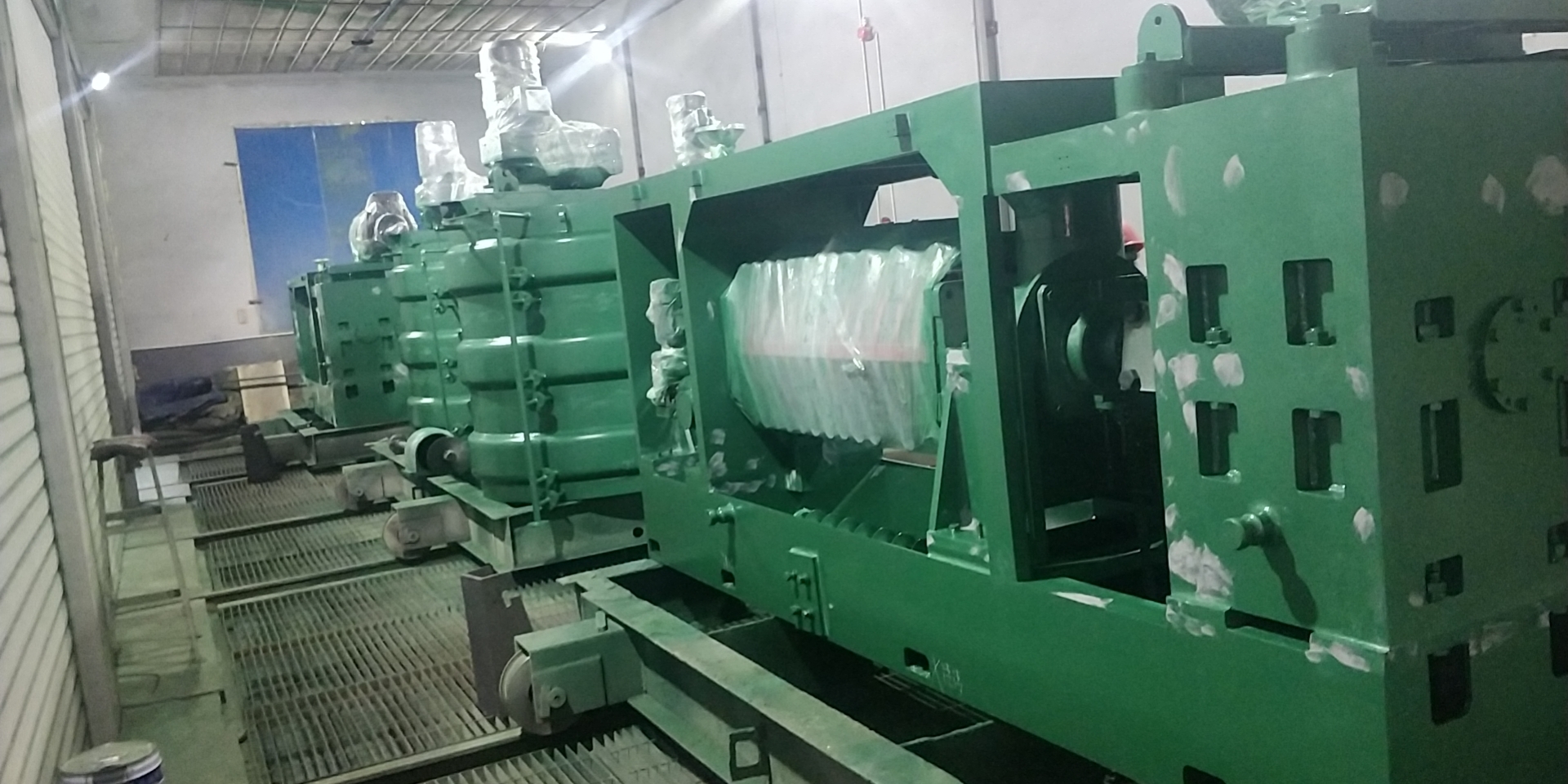
Another game-changer? Remote access. With cloud-based connectivity, technicians can diagnose faults remotely—even if they’re thousands of kilometers away. A Brazilian oil mill reduced its average repair time from 48 hours to under 12 by leveraging remote diagnostics. That’s not only cost-effective—it also boosts confidence among operators who no longer fear being left alone with complex equipment failures.
These capabilities directly translate into better compliance, safer working environments, and more consistent product quality. In fact, one Malaysian customer saw a 92% improvement in operator adherence to standard procedures after implementing visual prompts and step-by-step guidance via the SCADA interface.
As global demand for high-quality edible oils grows—and regulations tighten—oil producers must move beyond legacy systems. The question isn’t whether you should automate, but how fast you can adopt a smarter, safer, and more efficient model.
Download our free white paper: “Smart Control in Action – Real Results from 12 Global Oil Mills”
Get Your Free Technical Guide Now →