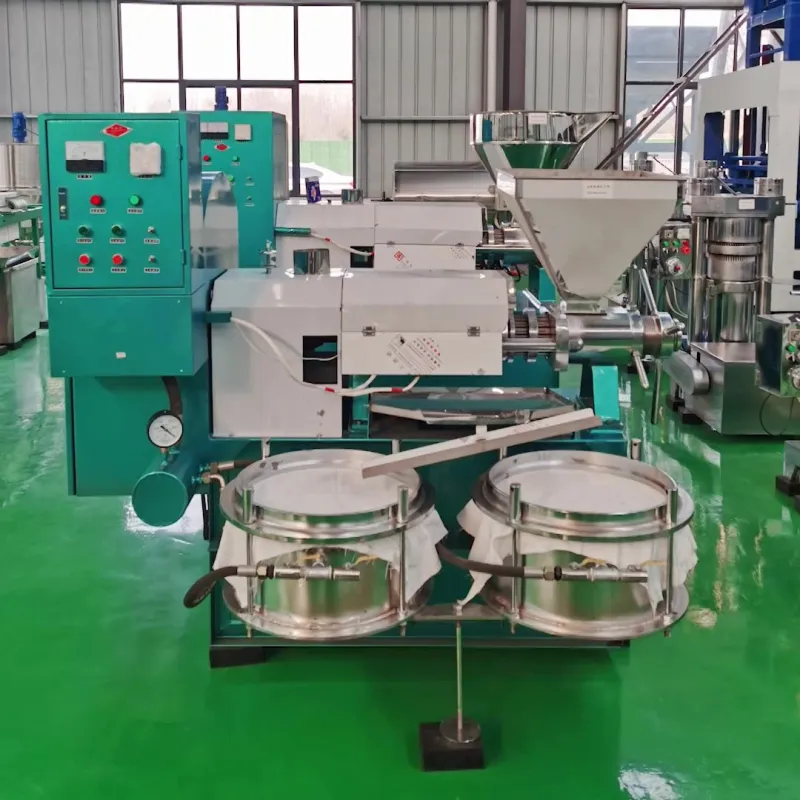
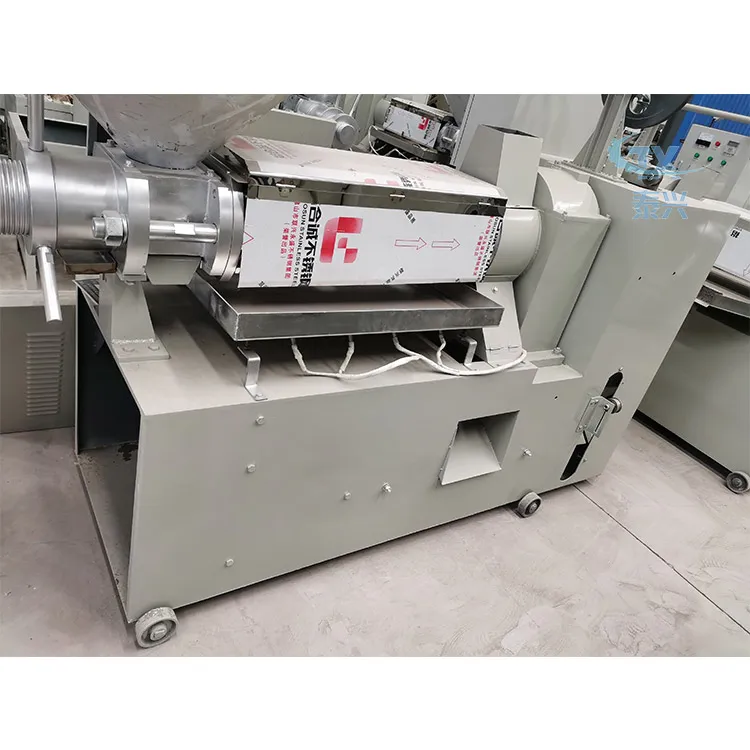
For those new to the oil processing industry, selecting the right small - scale oil processing equipment is crucial. This guide will delve into the key aspects of equipment selection to help you make informed decisions.
Different equipment models have different daily processing capacities. For example, some small - scale traditional presses may have a daily processing capacity of 1 - 5 tons, while more advanced automated equipment can handle 5 - 10 tons per day. When selecting equipment, it is essential to match the capacity with your production plan. If your daily demand is around 3 tons, choosing a press with a 5 - ton capacity might be a good fit, allowing for some flexibility in case of increased demand.
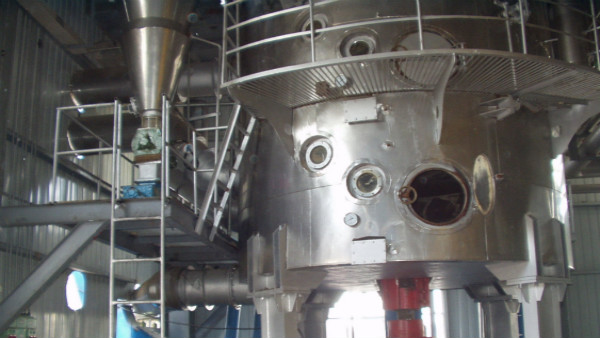
There is a significant energy consumption difference between traditional presses and automated energy - saving equipment. Traditional presses may consume 10 - 15 kWh per ton of processed raw materials, while automated energy - saving equipment can reduce this to 5 - 8 kWh per ton. Over the long - term, this energy - saving feature can lead to substantial cost savings. According to industry standards, energy - efficient equipment not only reduces operating costs but also has a positive impact on the environment.
Automation levels, such as semi - automatic and fully automatic, have different effects on operation efficiency, maintenance convenience, and failure rates. Semi - automatic equipment requires some manual intervention, which may increase the operation time and has a relatively higher failure rate. On the other hand, fully automatic equipment can significantly improve operation efficiency, with a failure rate as low as 1 - 2% compared to 5 - 8% for semi - automatic equipment. However, fully automatic equipment may have a higher initial investment.
Different raw materials like soybeans and sunflower seeds have different physical properties. For soybeans, which have a relatively high oil content, a pre - treatment process such as roasting at 100 - 120°C for 30 - 40 minutes can improve the oil extraction rate. For sunflower seeds, a gentle grinding process before pressing can be beneficial. Adjusting the equipment parameters according to the raw material properties is essential for optimal production.
For small workshops with limited space, compact and modular equipment designs are ideal. Compact equipment can save up to 30% of the floor space compared to traditional large - scale equipment. Modular designs allow for easy installation and re - configuration according to the workshop layout. When installing the equipment, following the simple installation guidelines can ensure a smooth start - up.
Many beginners make the mistake of blindly pursuing high - capacity equipment without considering their actual production needs. This can lead to high investment costs and under - utilization of the equipment. For example, a user once purchased a large - capacity press without proper market research. After a few months, they found that the demand was much lower than expected, resulting in a waste of resources. By being aware of these common mistakes, you can avoid similar risks.
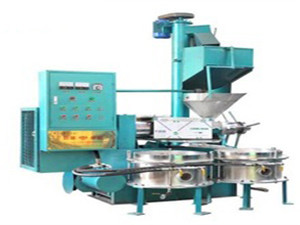
Let's take the case of a small - scale oil processing business. At first, they selected a traditional press with high energy consumption and low automation. The operation was labor - intensive, and the production efficiency was low. After consulting with experts, they switched to an automated energy - saving press. The new equipment not only reduced the energy consumption by 40% but also increased the daily production capacity by 30%. This case shows that making the right equipment selection can bring significant benefits.
To help you make a more informed decision, here is a simple interactive selection table. Please fill in your daily production demand, raw material type, and available space, and we will recommend the most suitable equipment model for you.
| Daily Production Demand (tons) | Raw Material Type | Available Space (square meters) | Recommended Equipment Model |
|---|---|---|---|
| 1 - 3 | Soybeans | 10 - 20 | Model A |
| 3 - 5 | Sunflower Seeds | 20 - 30 | Model B |
If you are interested in learning more about small - scale oil processing equipment, click here to discover suitable solutions for your business and get free selection consultations.