For farmers and small processors entering the global edible oil market, selecting the right automated oil press isn’t just about buying equipment—it’s about making a smart investment that scales with your business. This guide breaks down real-world performance differences between traditional and modern systems, helping you avoid costly mistakes while maximizing ROI.
A common error among new exporters is choosing a machine based on peak production needs rather than consistent daily output. For example:
| Machine Type | Daily Capacity (kg) | Avg. Energy Use (kWh/kg) |
|---|---|---|
| Manual Screw Press | 50–100 | 0.8–1.2 |
| Semi-Auto Hydraulic Press | 100–300 | 0.5–0.7 |
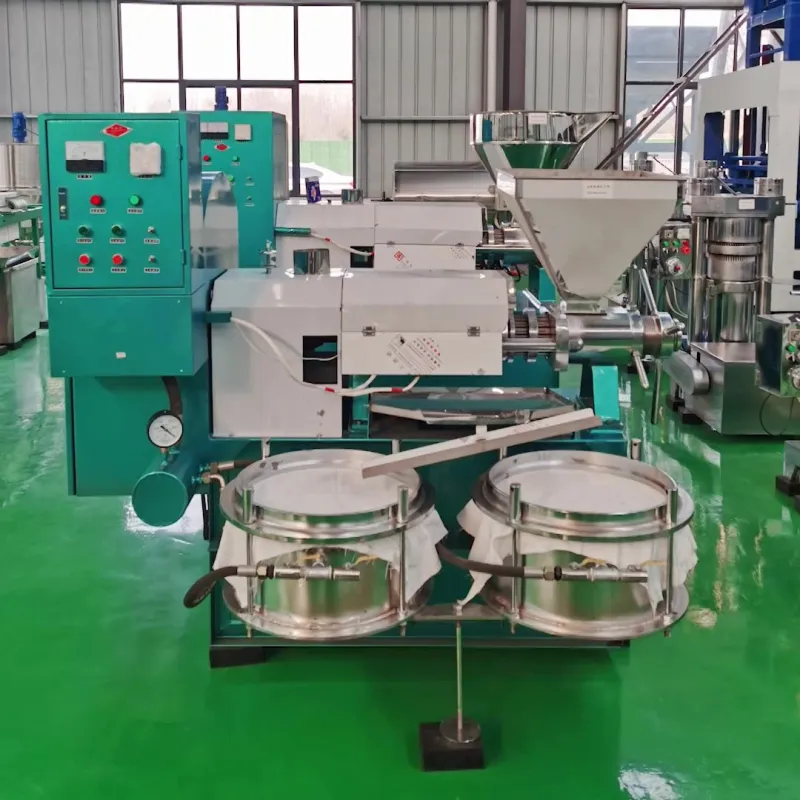
| Fully Auto Oil Expeller | 300–800 | 0.3–0.5 |
As shown above, fully automatic models reduce energy consumption by up to 60% compared to manual presses—critical when operating in high-cost regions like Europe or North America.
One client from Nigeria shared how switching from a semi-auto to a fully automated system cut their labor hours per batch from 4 to 1.5—and boosted consistency in oil quality. That’s not just efficiency—it’s export-readiness. Machines with PLC control and automatic feeding minimize human error, especially important when meeting EU food safety standards.
Different oils require different settings:
Use our free Oil Press Selection Tool to match your raw material type, daily output, and budget. Get personalized recommendations in seconds—not weeks.
Get Free Oil Press Recommendations