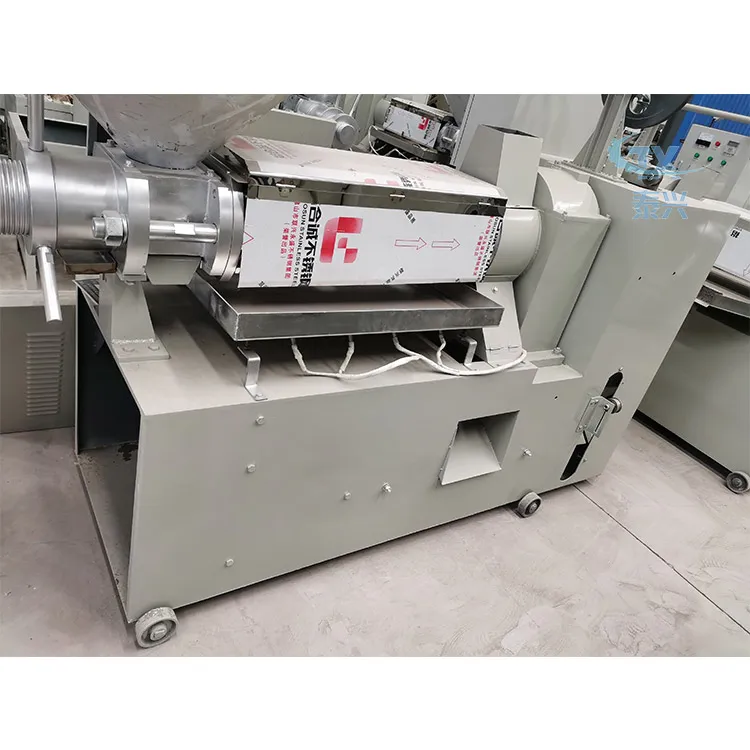
In the competitive global edible oil market, efficiency, safety, and consistency are no longer optional—they’re mandatory. Traditional manual control systems in peanut oil processing plants often lead to inconsistent output, frequent downtime due to operator error, and delayed responses to equipment failures. But what if you could eliminate these pain points through intelligent automation?
According to a 2023 industry survey by the International Food Processing Association (IFPA), over 67% of small-to-mid-sized oil mills report at least one major production stoppage per month—most caused by human error or lack of real-time monitoring. Operators struggle to manage multiple stages simultaneously: raw material feeding, pressing, filtration, refining, and bottling. This fragmented approach results in:
A well-integrated PLC (Programmable Logic Controller) and SCADA (Supervisory Control and Data Acquisition) system transforms this chaos into precision. By connecting all critical components—from screw presses and filter presses to vacuum deodorizers and filling machines—the system enables seamless coordination across the entire production chain.
For example, when the oil flow rate drops unexpectedly during cold pressing, the SCADA dashboard instantly alerts operators via SMS/email and triggers an automatic adjustment in the conveyor speed. No more guesswork. Just data-driven decisions.
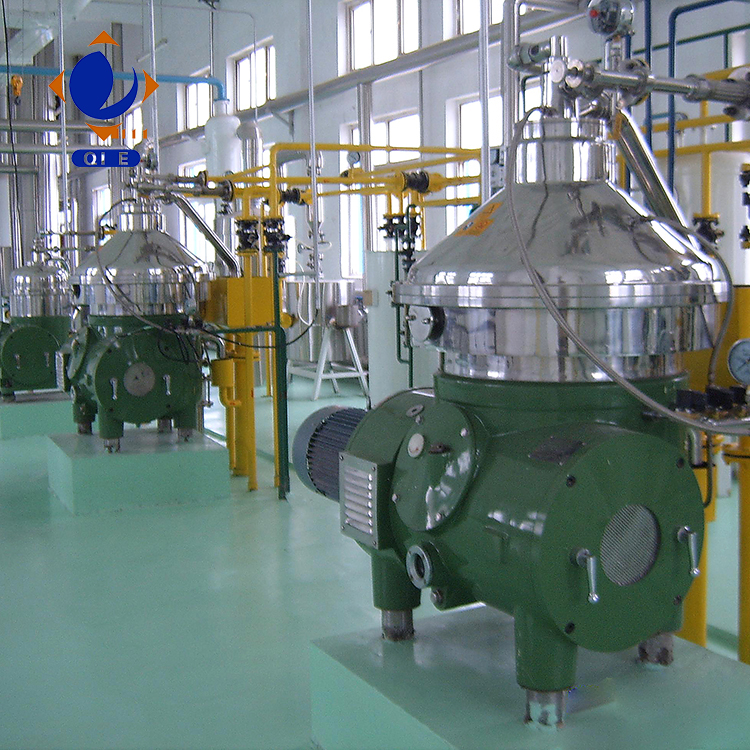
What sets advanced systems apart is AI integration within the SCADA framework. Machine learning models trained on historical operational data can now detect subtle signs of trouble before they become failures:
“We reduced unplanned downtime by 34% in six months after implementing AI-based anomaly detection.” — Ahmed Khalil, Plant Manager, Al-Malik Edible Oils, Egypt
With remote access capabilities, technicians can troubleshoot issues without being physically present—a huge win for facilities in remote regions or those operating 24/7. One case study from a Malaysian mill showed that average repair time dropped from 4.2 hours to just 2.8 hours after deploying cloud-connected SCADA solutions.
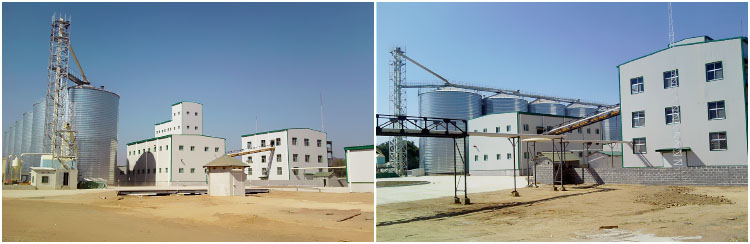
Employees no longer need extensive hands-on experience to operate complex lines. Standardized workflows embedded in the system ensure consistent execution—even for new hires. At a Turkish facility, training time for new operators decreased by 40%, while workplace incidents related to improper handling fell by 60% over a year.
This isn’t just about technology—it’s about empowering people to work smarter, not harder.
Whether you're building a new plant or upgrading an existing one, integrating PLC + SCADA with AI analytics isn't a luxury—it's a strategic necessity. It ensures better yield quality, fewer losses, faster turnaround times, and stronger compliance with food safety standards like ISO 22000 and HACCP.
Download our free white paper: “Step-by-Step Guide to Automating Your Oil Mill with PLC + SCADA” — packed with real-world implementation tips, ROI estimates, and client success stories.
Get the Free White Paper Now