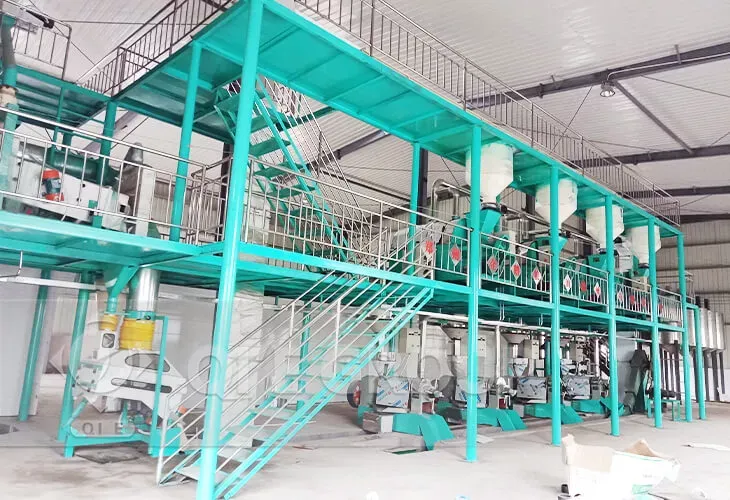
Plant Oil Processing Automation: Practical Techniques to Raise Yield and Cut Energy Use
An engineer-focused review of automation strategies, expected performance gains and implementation steps for modern pressed and solvent-extracted oil lines.
Why automation matters for plant oil processors
As global demand for edible and industrial plant oils stabilizes, processors prioritize output consistency, lower operating costs and compliance. Automation—covering PLC/SCADA control, intelligent sensors, and MES-based process management—delivers measurable improvements: higher oil recovery, lower specific energy consumption, reduced unplanned downtime and predictable product quality. These gains are particularly relevant for rapeseed, soybean and sunflower operations where small percentage improvements translate to substantial revenue impact.
Typical measurable benefits from industry deployments:
- Oil yield increase: 2–6 percentage points (depending on crop and pre-treatment)
- Energy reduction: 15–30% in overall kWh per ton through optimized heaters and variable-speed drives
- Labor reduction: 50–75% of routine operation man-hours through centralized control
Core automation technologies and their roles
Automated process control (PLC / SCADA)
Real‑time control of press torque, screw speed, and solvent flow ensures stable throughput and consistent extraction efficiency. Closed‑loop feedback reduces operator guesswork and minimizes off‑spec batches.
Smart sensors & inline analytics
Moisture, temperature, oil-in-cake and particle-size sensors enable adaptive setpoints. Inline NIR or colorimetric sensors can predict oil content and drive process adjustments before quality drifts.
Digital workflow (MES / OEE)
Manufacturing Execution Systems capture throughput, downtime reasons and yield per batch—providing the data required to reduce Overall Equipment Effectiveness (OEE) losses and optimize maintenance windows.
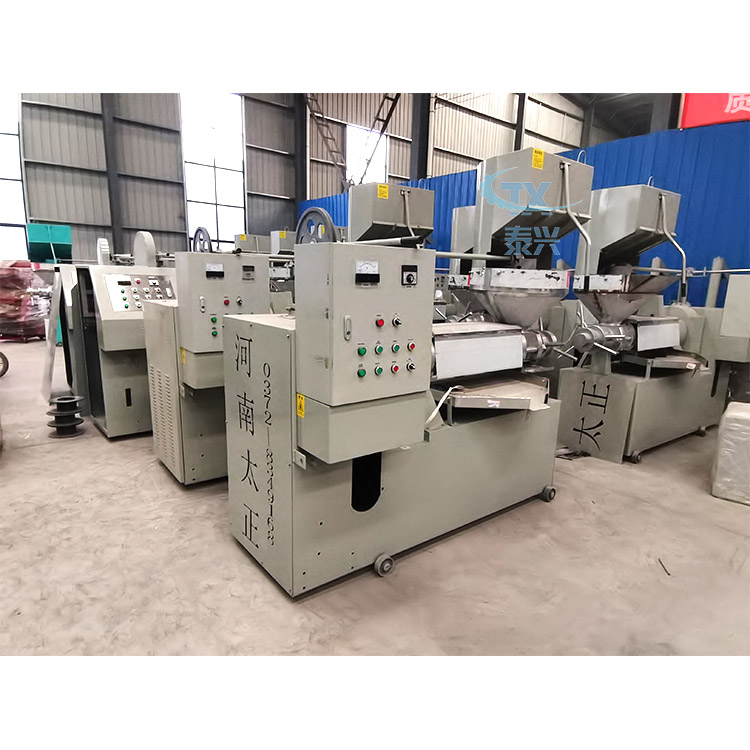
Performance comparison: traditional vs automated line (typical)
Practical roadmap to implement automation
- Assessment (2–4 weeks): Baseline yield, energy use and failure modes. Map data points to be captured.
- Pilot (6–12 weeks): Install PLC and 3–5 critical inline sensors on one production train. Validate control strategies and yield response.
- Rollout (3–9 months): Integrate MES and SCADA across lines; train operators and enable preventive maintenance dashboards.
- Optimization (ongoing): Use captured data to refine setpoints, adapt to seasonal seed variability and quantify ROI.
Typical payback on automation investments in mid‑sized plants ranges from 12 to 24 months when improvements in yield and energy are realized concurrently.
Design and operation best practices
- Focus sensors on the highest-impact nodes: pre‑conditioner temperature, cake moisture and press torque.
- Adopt predictive maintenance for bearings and gearboxes to avoid yield‑impacting failures.
- Keep operator interfaces simple—present only 4–6 actionable KPIs per screen for shift staff.
- Blend automation with lab verification: inline analytics should be validated weekly with lab assays.
FAQ — common buyer questions
- Q: What sensor mix delivers the fastest ROI?
- A: Moisture probes, inline oil‑in‑cake sensors and temperature trackers often show payback within 6–9 months by directly influencing extraction efficiency and rework costs.
- Q: Can automation be phased into an existing plant?
- A: Yes—start with a single line pilot (PLC + 3 sensors) and extend control logic and MES integration after validating benefits.
- Q: What data metrics should be tracked daily?
- A: Yield per batch, energy kWh/ton, press torque profile, cake moisture and downtime reasons with timestamps.
Join the discussion
Comments and technical questions are encouraged. Typical useful context: seed type, line capacity (t/day), and current control architecture (manual, PLC, basic SCADA).