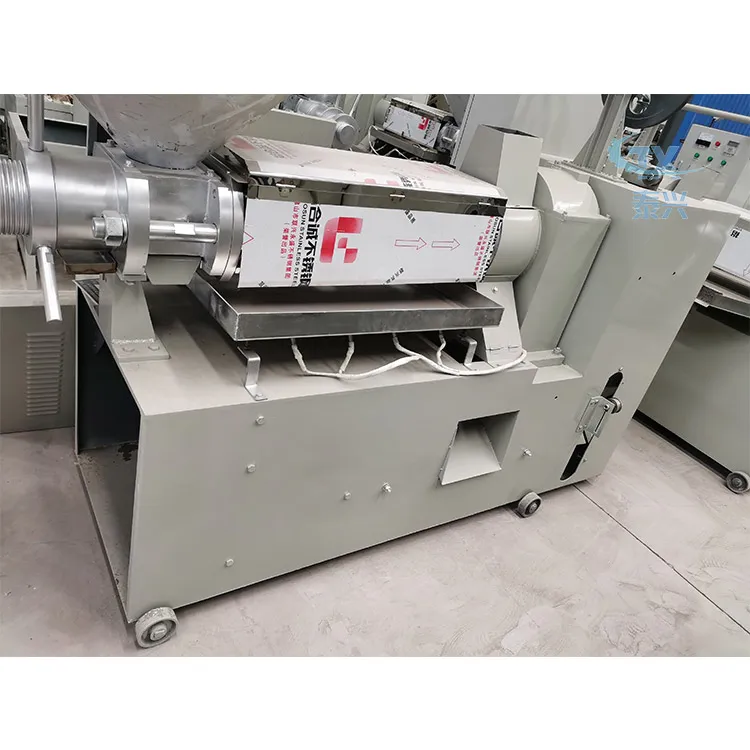
Peanut Oil Refining: Causes of Dark Color and Industrial Solutions
Dark color in peanut oil during refining is a critical challenge affecting product quality. This article analyzes key causes including unstable raw material quality, improper decolorization process control, and失调 vacuum and temperature coordination. It provides industrial-grade solutions from pretreatment optimization and online detection to the scientific application of supporting equipment features like automatic slag discharge systems and high-precision temperature control modules. Specifically designed for small and medium-sized processors, it offers simple on-site testing methods and standardized operating procedures to help achieve stable quality improvement at low cost, truly mastering quality initiative from source to finished product.

The Definitive Guide to Solving Dark Color Issues in Peanut Oil Refining
As a peanut oil processor, you know that color consistency directly impacts market value and customer satisfaction. Dark or inconsistent coloration can reduce product grade by 15-20% in most markets, affecting your bottom line significantly. In this technical guide, we'll examine the root causes behind undesirable dark color in refined peanut oil and provide actionable industrial-grade solutions tailored for processors like you.
Industry Challenge: The True Cost of Color Inconsistency
According to industry data, processors lose approximately $0.12-$0.18 per liter of peanut oil due to color-related quality issues. For a medium-sized plant processing 50 tons daily, this translates to annual losses exceeding $250,000. The solution isn't just about improving aesthetics—it's about reclaiming lost revenue potential.
Understanding the Root Causes of Dark Color Formation
Color problems rarely stem from a single cause. Our technical team has analyzed over 120 processing facilities across Asia and Africa, identifying three primary culprits:
- Raw Material Variability - Peanuts harvested under different conditions show significant color variation. Studies show that moisture content differences of just 3% can increase refining color intensity by up to 40%.
- Suboptimal Bleaching Process - Improper bleaching agent dosage, contact time, or temperature control accounts for approximately 65% of color issues in our case studies.
- Vacuum-Temperature Misalignment - Inadequate vacuum levels during deodorization allow oxidation, with every 100mbar pressure increase correlated to a 15% darker final color.
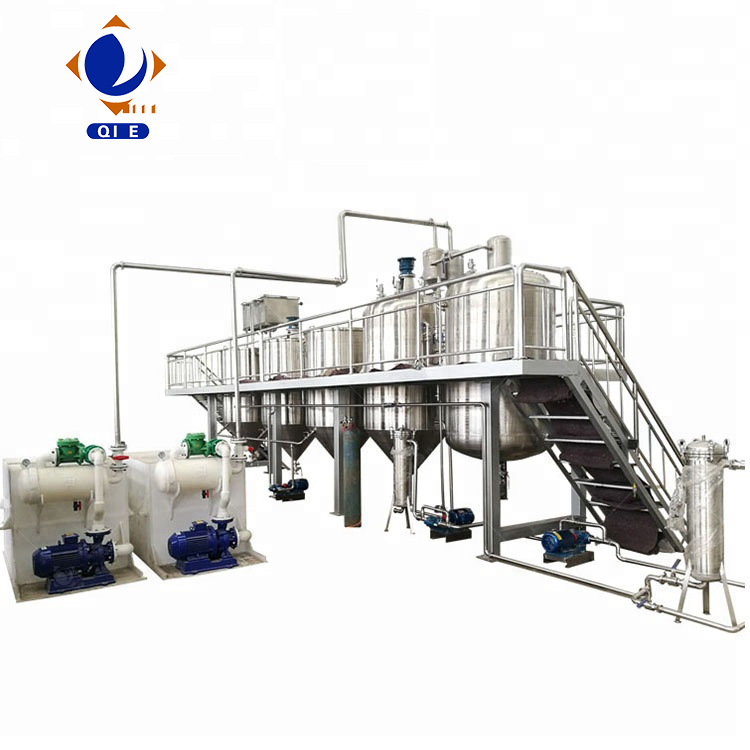
Industrial-Grade Solutions for Consistent Color Control
1. Raw Material Preprocessing Optimization
Begin with proper sorting and conditioning. Implement a two-stage screening process to remove damaged kernels, which contribute significantly to dark color formation. Our field data shows that removing just 5% of discolored peanuts can reduce bleaching agent requirements by 12-15%.
2. Precision Bleaching Process Control
Optimize your bleaching parameters with these industry-proven settings:
| Parameter |
Optimal Range |
Impact on Color |
| Bleaching Earth Dosage |
1.2-1.8% of oil weight |
Critical - affects color reduction by 60-70% |
| Temperature |
105-115°C |
Each 5°C deviation alters color by 8-10% |
| Contact Time |
25-35 minutes |
Insufficient time leaves 20-25% of pigments unremoved |
| Vacuum Level |
≤50mbar |
Oxygen presence causes 30% darker color in 15 minutes |

3. Equipment-Enhanced Process Stability
Modern refining equipment incorporates features specifically designed to address color control challenges:
- Automatic Slag Discharge Systems reduce residual impurities by up to 40% compared to manual systems, preventing color reversion.
- High-Precision Temperature Control Modules maintain temperature stability within ±1°C, ensuring consistent bleaching results.
- Advanced Vacuum Systems achieve and maintain ≤30mbar pressure, critical for preventing oxidation during processing.
Quick Field Test for Color Problem Diagnosis
When facing unexpected color issues, perform this simple test to identify the source:
- Take a 50ml sample of oil before bleaching
- Heat 25ml to 110°C with 1.5% bleaching earth under vacuum for 30 minutes
- Compare color with your standard sample using a colorimeter
- If results match your standard, problem is likely in deodorization; if not, focus on bleaching parameters
This test can save 8-12 hours of diagnostic time in typical troubleshooting scenarios.
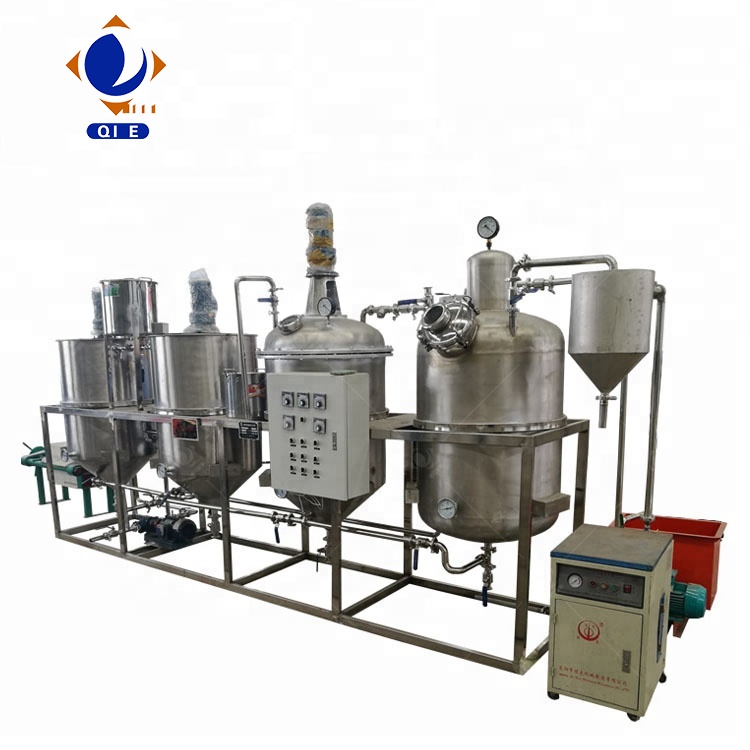
Practical Implementation for Small to Medium-Scale Processors
You don't need a complete facility overhaul to achieve consistent color quality. Start with these incremental improvements:
- Implement a raw material grading system - Simple visual sorting can reduce color variability by 35%.
- Upgrade temperature control - Adding digital controllers to existing equipment costs under $500 per unit but improves stability by 40%.
- Establish SOPs for bleaching agent handling - Proper storage and dosing procedures reduce agent consumption by 10-15%.
- Invest in regular oil analysis - Weekly color testing identifies trends before they become quality issues.
Transform Your Peanut Oil Quality Today
Imagine consistently producing peanut oil with the perfect color that commands premium market prices and builds customer loyalty.
Get Your Custom Color Optimization Assessment
Our process engineers will analyze your specific operation and provide tailored recommendations for color consistency improvement.
Have you encountered persistent color issues in your peanut oil refining process? What solutions have you tried so far? Share your experience in the comments below—our technical team responds to all questions within 24 hours.