
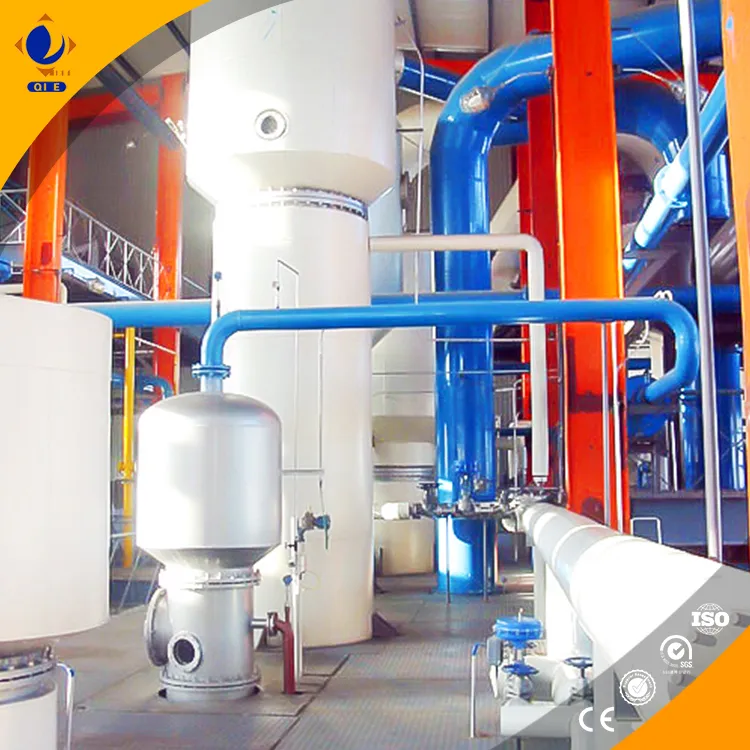
For oil plant managers and production engineers in the edible oil industry, maintaining consistent quality while maximizing throughput is no longer just a goal—it’s a necessity. In today’s competitive landscape, traditional manual control methods are proving insufficient. A recent study by Food Engineering Magazine (2023) found that plants using outdated systems experience an average of 4.2 hours per week in unplanned downtime, costing up to $18,000 annually per line in lost productivity.
Manual operation of peanut oil extraction lines often leads to inconsistent temperature regulation, uneven pressing pressure, and delayed responses to equipment anomalies—especially during high-volume runs or seasonal spikes. These inefficiencies don’t just slow down production—they compromise product consistency, which directly impacts customer trust and brand reputation.
Modern intelligent control systems integrate PLC (Programmable Logic Controllers) for real-time machine logic, SCADA (Supervisory Control and Data Acquisition) for centralized monitoring, and embedded AI algorithms that continuously learn from operational data. This triad enables:
One leading producer in India reported a 37% reduction in maintenance costs after deploying such a system across three production lines over 12 months. Their QA team noted improved oil clarity and reduced free fatty acid levels, indicating better process stability.
Consider this scenario: A European buyer orders 50 tons of premium peanut oil monthly. If your facility experiences frequent deviations in refining temperatures due to human error or poor coordination between presses and filters, you risk delivering batches that fail sensory tests. That’s not just a compliance issue—it’s a relationship killer.
The smart system ensures each step—from raw material feeding to final filling—is synchronized. It also logs every parameter, making audits easier and improving traceability. For food safety certifications like ISO 22000 or HACCP, this level of digital transparency is invaluable.
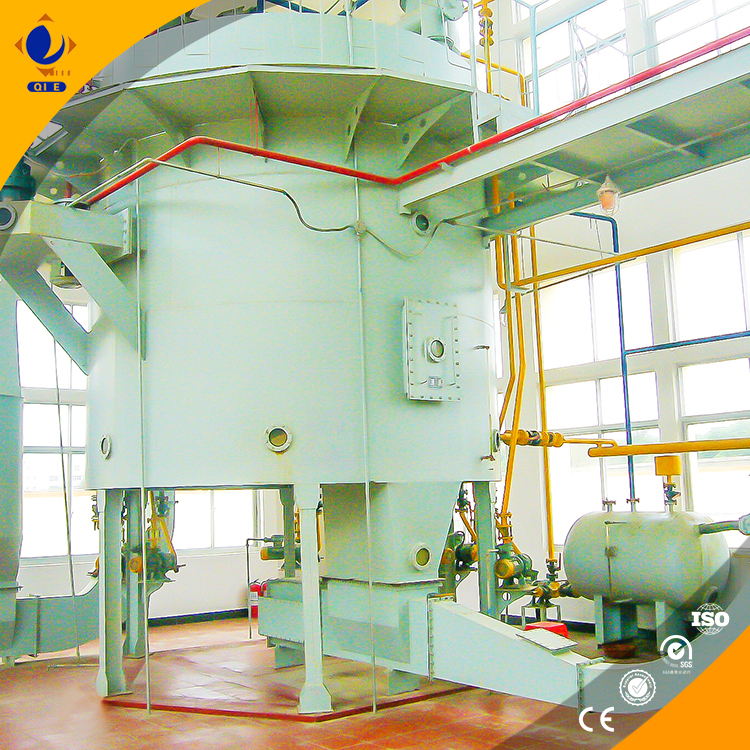
You don’t need to overhaul your entire plant overnight. Begin with one key unit—like the expeller press or degumming stage—and measure improvements in yield, energy use, and operator workload. Many clients report ROI within 6–9 months when starting with modular upgrades.
Want to see how it works in action? Our engineers have helped over 200 oil mills worldwide implement these solutions. We offer a free technical assessment and a live demo tailored to your current setup—no obligation, just insights.
See how our intelligent control system boosts efficiency, reduces waste, and keeps your output consistently premium.
Schedule Your Free Demo Today


