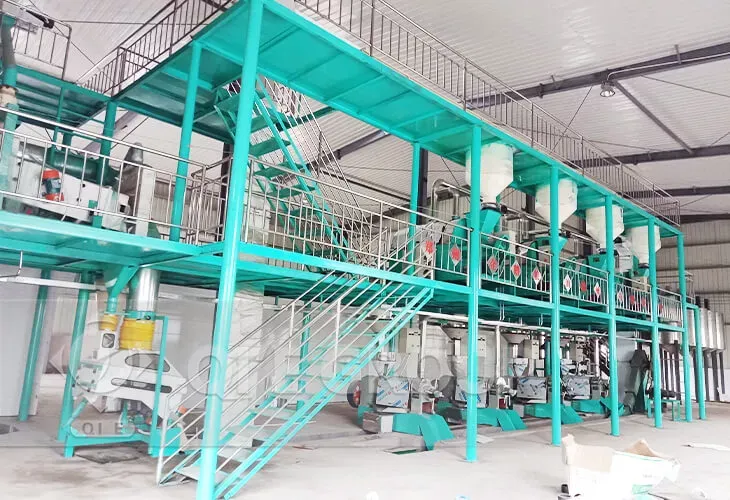
For industrial edible oil producers, consistent high yield and stable oil quality are the core competitive advantages when targeting global export markets. From raw material selection to final quality control, every step of the pressing process directly impacts your production efficiency and compliance with international food safety standards. Below, we break down the full workflow, backed by real factory data from Qie Group industrial processing projects.
Not all peanut batches deliver the same oil yield or flavor. Meeting international export standards requires strict incoming material screening aligned with global food safety regulations. Key selection criteria include:
After initial screening, raw peanuts go through three core pre-treatment steps: cleaning, crushing, and conditioning. Each step requires precise parameter control to maximize downstream pressing efficiency.
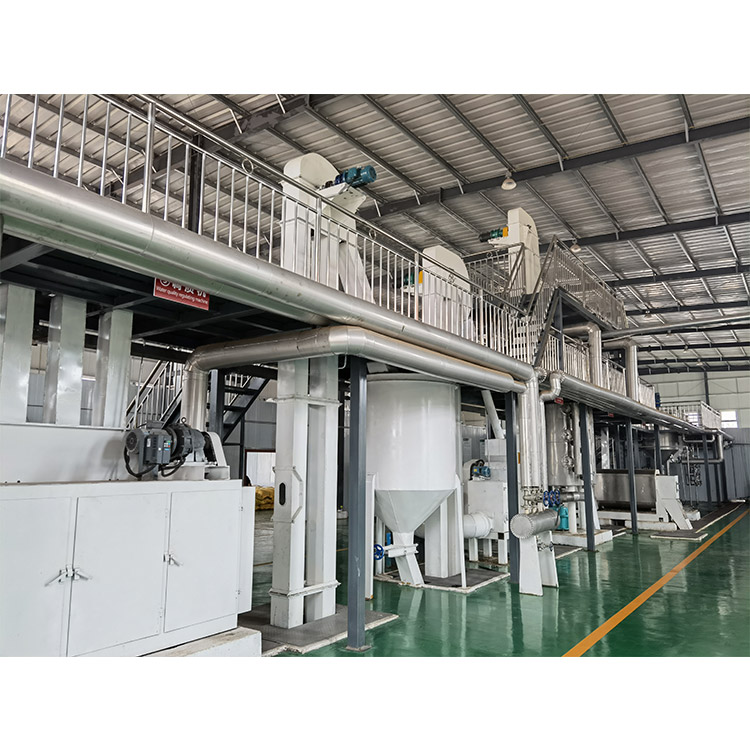
"For export-grade edible oil production, raw material quality control contributes over 60% to final product compliance. Cutting corners here leads to costly rejections at border inspections." — Global Edible Oil Processing Association Standard 2024
Many producers overlook how pre-treatment parameters impact final pressing results. For example, improper moisture adjustment can reduce oil yield by as much as 7% and increase residual oil in pomace. The optimal moisture range for crushed peanut kernels before pressing is 4% to 6%, depending on the pressing method you use.
For cold pressing production specifically, low-temperature pre-treatment (heating to no more than 60°C) preserves natural antioxidants like vitamin E, which improves the oxidative stability of the final oil and extends shelf life — a critical requirement for long-distance ocean export shipments.

The biggest misconception in cold pressing is that lower temperature always equals better quality. In reality, cold pressing requires a careful balance: temperature between 45°C and 55°C preserves natural flavor and nutrients, while matching pressure of 12-18 MPa ensures full oil extraction without increasing free fatty acid content. Higher pressure does not always lead to higher yield — it can compress the pomace too tightly, trapping more residual oil instead of releasing it.
A real factory case from Qie Group's process upgrade project demonstrates this balance: after adjusting temperature and pressure matching, the facility saw:
| Indicator | Before Upgrade | After Upgrade |
|---|---|---|
| Oil Yield | 40.2% | 46.8% |
| Residual Oil in Pomace | 3.8% | 0.9% |
| Oil Oxidation Stability (hours) | 8.2 | 12.5 |
Lower residual oil in pomace directly translates to higher revenue: for a 100-ton daily processing capacity facility, a 2.9% reduction in residual oil adds 2.9 tons of extra peanut oil per day — that's over 87 extra tons of salable product per month.
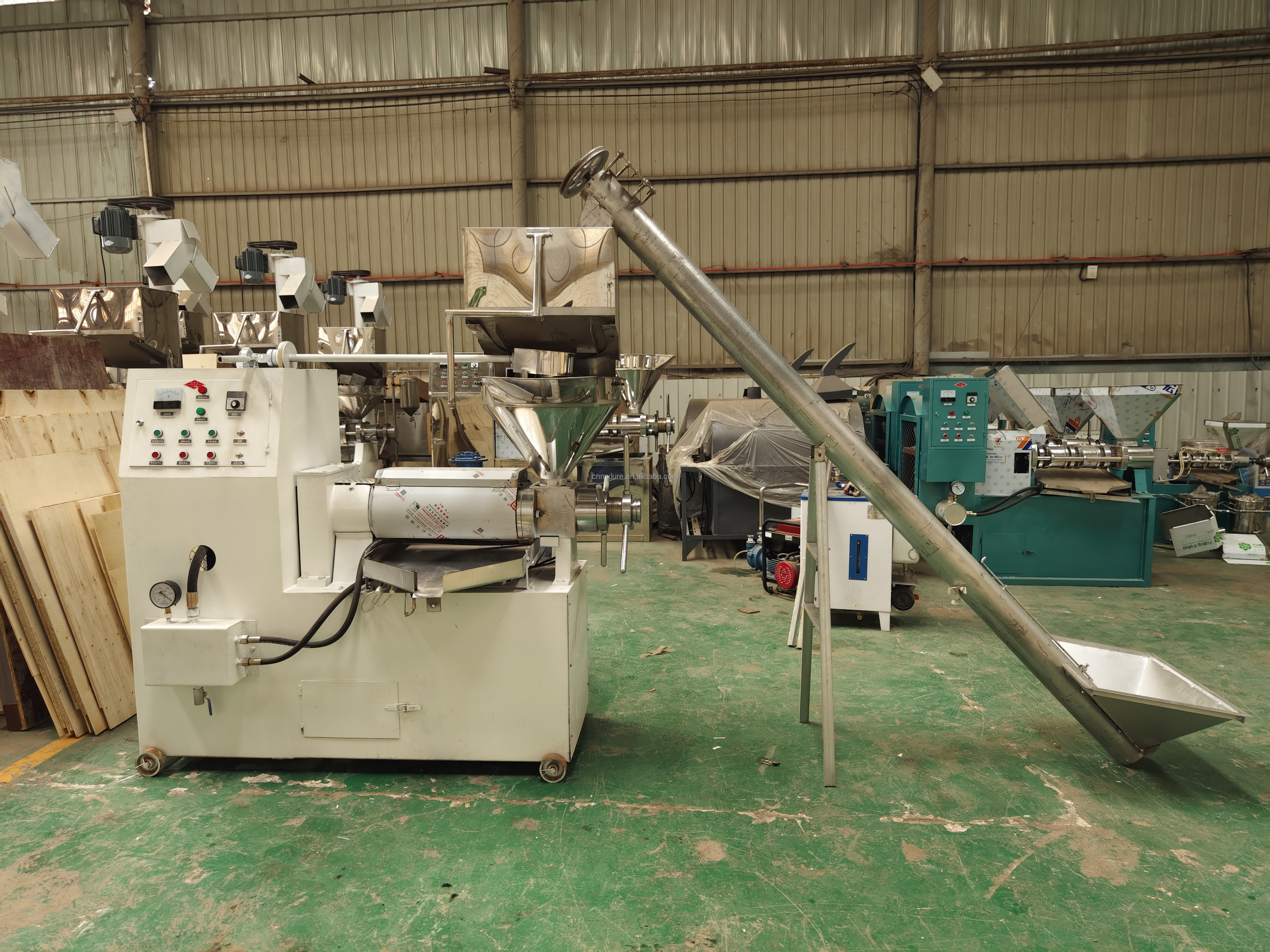
After pressing, crude peanut oil goes through refining and filtration to remove solid impurities, free fatty acids, and unwanted flavor compounds. For export production, physical refining is preferred by most global buyers, as it avoids chemical residue and preserves the natural peanut aroma.
Final quality testing verifies compliance with your target market's standards: key metrics include aflatoxin B1 < 2μg/kg, free fatty acid content < 0.1%, and peroxide value < 5meq/kg. Consistent testing at every stage ensures every batch meets import requirements, avoiding costly port detentions.
Have you struggled with consistently high residual oil in your peanut pressing process, or struggled to meet export quality standards for oxidative stability?
Qie Group's standardized industrial peanut pressing solutions help you boost oil yield by 5-10%, reduce residual oil to under 1%, and deliver consistent export-grade quality every batch.
Get a Free Process Assessment Today