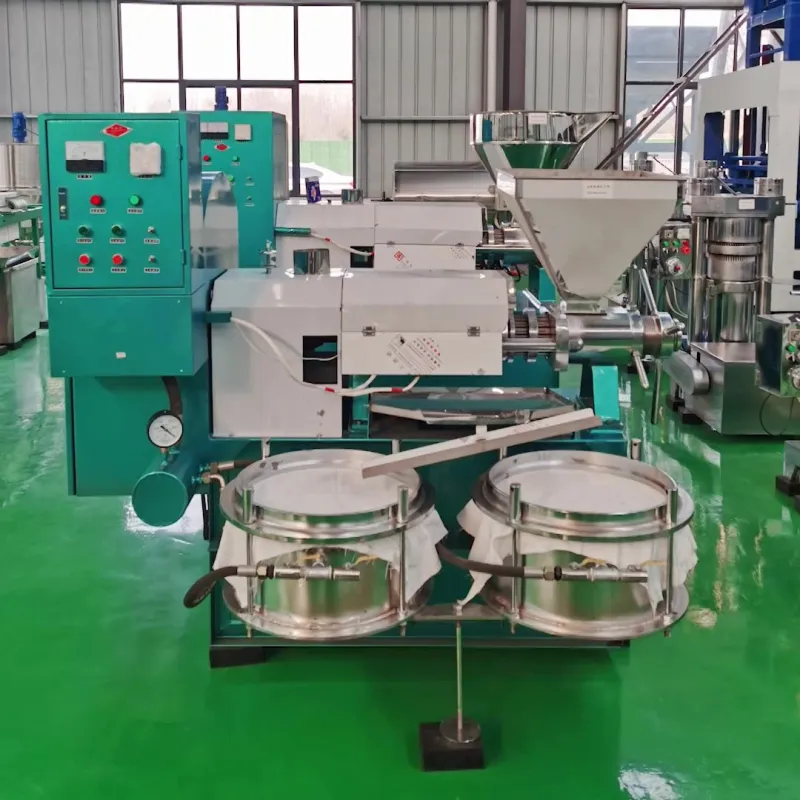
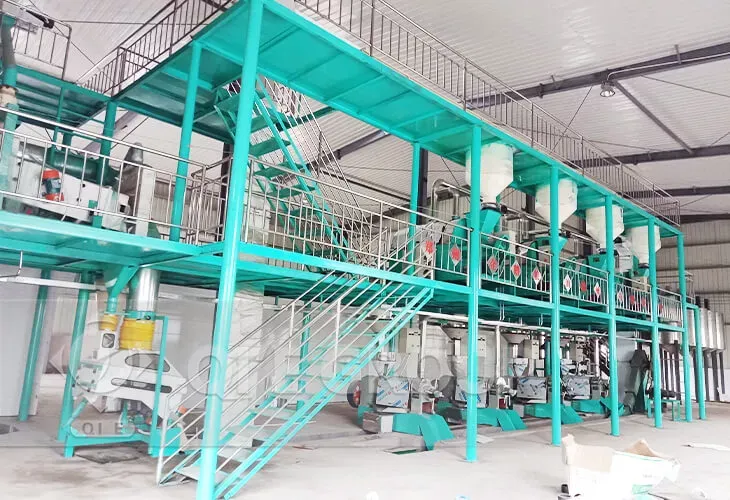
For industrial edible oil producers, consistent high-quality output and maximum oil yield are the two core factors that drive profitability and global market competitiveness. At Qiye Group, we’ve worked with dozens of export-focused edible oil facilities to optimize pressing processes, and we’ve seen first-hand how small adjustments to key parameters can deliver measurable bottom-line results.
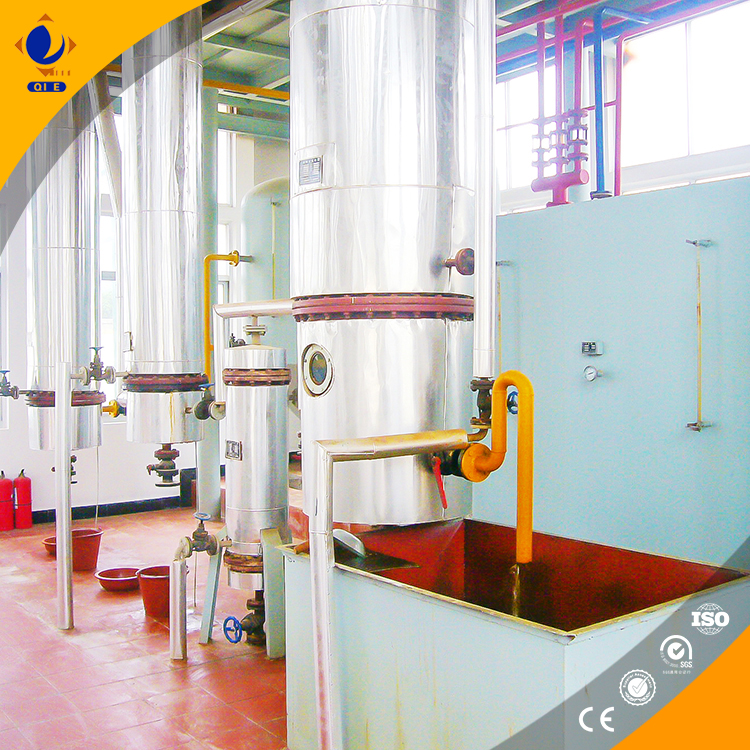
The quality of your final oil starts long before pressing begins. Export-grade production requires strict sorting protocols to eliminate impurities, damaged kernels, and foreign material that can compromise flavor and shelf stability. Leading facilities follow a 3-step sorting process: initial manual screening, mechanical size classification, and density separation to remove underdeveloped peanuts.
After sorting, pre-treatment includes shelling, drying, and moisture conditioning. The optimal moisture content for peanut kernels before pressing is between 7% and 9% – too much moisture reduces oil extraction efficiency, while too little increases residual oil in press cake. This small adjustment alone can boost oil yield by up to 4% for most production lines.
Cold pressing has become the preferred method for premium export-grade peanut oil, as it preserves natural flavor, antioxidants, and nutrients compared to traditional high-temperature extraction. For optimal results, the pressing temperature should be maintained between 45°C and 60°C throughout the process.
Many producers struggle with balancing temperature control and output rate. In a recent case study with a 500-ton-per-day peanut oil facility in Shandong, we adjusted their screw press rotation speed and cooling system to maintain consistent 52°C pressing temperature, which improved oil stability by 18% in shelf-life testing, while keeping total output unchanged.
Case Highlight: After the process upgrade, the facility reduced residual oil in press cake from 6.8% to 5.1%, cutting oil waste by 25% and increasing annual revenue by over $1.2 million.

Crude cold-pressed peanut oil requires gentle refining to remove free fatty acids, phospholipids, and fine solids while retaining natural attributes. The standard export-grade refining process includes degumming, neutralization, bleaching, and winterization, followed by sterile filtration.
Standardization of this stage is critical for meeting international food safety certifications like ISO 22000 and HACCP, which are mandatory for access to the EU, North American, and Southeast Asian markets. Every step needs documented temperature, pressure, and contact time parameters to pass third-party audits.
Does your production line struggle with inconsistent oil quality or lower than expected yield? You’re not alone.
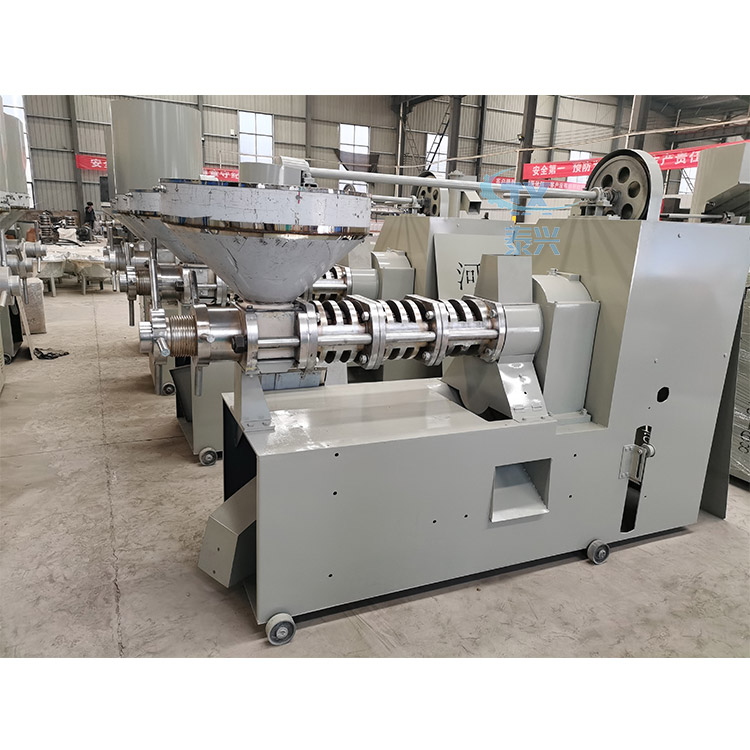
Most medium and large-scale peanut oil producers can boost their total oil yield by 10% or more just by standardizing these key process parameters we’ve covered in this guide. This improvement directly translates to higher profit per ton of raw peanuts, and more consistent quality that meets global buyer requirements.
Download our full step-by-step guide with actionable checklists for process optimization and compliance certification.
Download The Full Process Guide Now