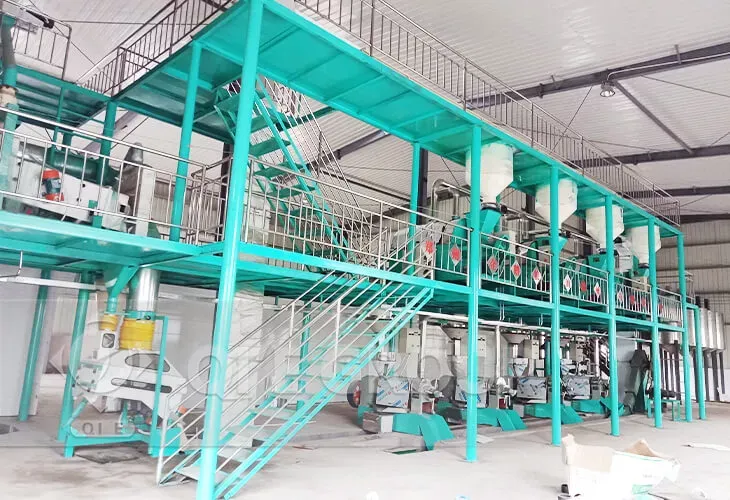
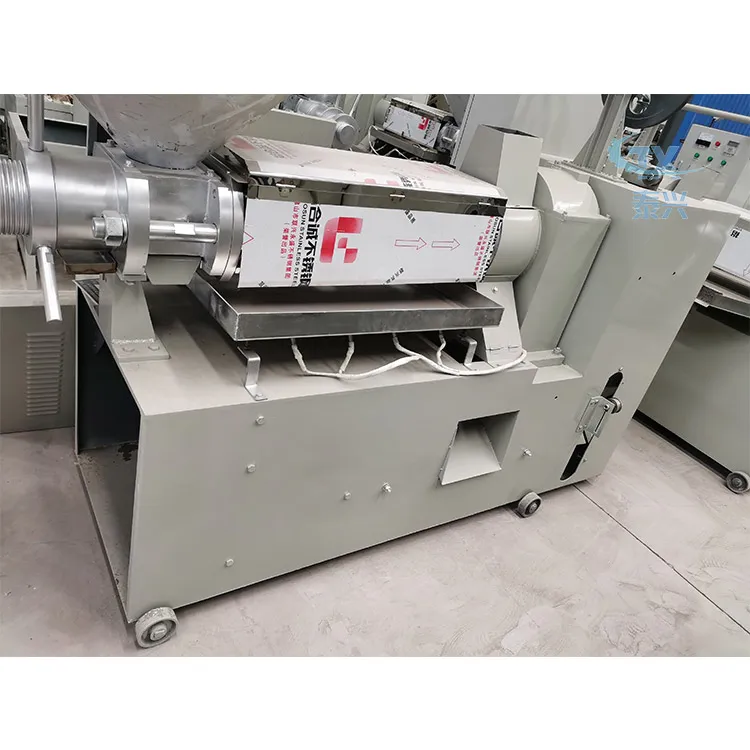
For small and medium-sized peanut oil processing factories targeting global export markets, rising energy costs are one of the most pressing threats to profit margins and competitive pricing. On average, energy accounts for 18-22% of total production costs for peanut oil processing, with outdated or poorly maintained presses often driving energy use 30% higher than industry benchmarks. Lower operating costs directly translate to more competitive pricing for international buyers, helping you win more export orders and retain long-term clients. Penguin Group’s field engineering team has worked with dozens of export-focused processing plants to cut energy waste, and this 3-step diagnostic guide will help you identify and fix high energy use with low-cost, high-return improvements.
The heating system that prepares peanut material for pressing typically accounts for 55-60% of total press energy consumption. Common issues include uninsulated heating tanks, lost residual heat from pressed meal, and outdated temperature control that leads to overheating. In a recent case study with a 150TPD export-focused peanut processing plant in Shandong, our team found that uninsulated steam lines were wasting 28% of generated thermal energy, adding over $42,000 in annual energy costs.
High-impact, low-cost fixes include adding fiberglass insulation to steam lines (typically recovers costs in 4-6 months) and installing a simple heat recovery system that transfers residual heat from pressed peanut cake to pre-heat incoming raw material. This simple upgrade cuts heating energy use by 12-18% on average, with most installations costing less than $10,000 for small to mid-sized plants.
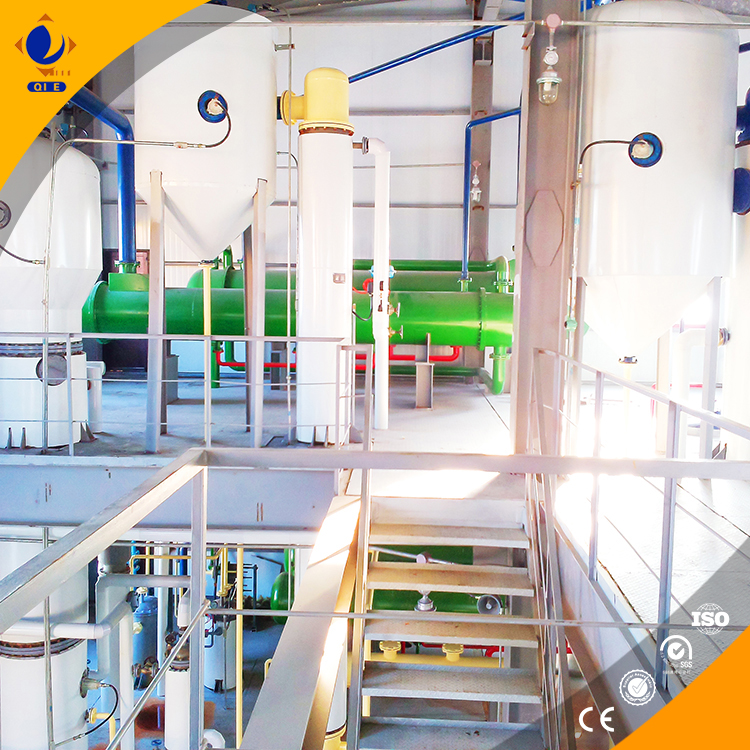
Hydraulic-powered peanut oil presses account for 20-25% of total plant energy consumption, and internal leaks or outdated control systems often waste 15-25% of this energy. Most small processing plants run hydraulic systems at fixed capacity regardless of production volume, meaning during lower input runs the system wastes excess pressure as heat. Additionally, worn seals and internal valve leaks force pumps to work harder to maintain required pressure, increasing energy draw unnecessarily.
The most cost-effective upgrade here is adding variable frequency drive (VFD) control to hydraulic pumps. VFDs adjust motor speed to match actual production demand, cutting hydraulic energy use by 15-22% according to our field test data. Upgrading worn rubber seals to high-quality nitrile seals also eliminates internal leaks, with a full seal replacement typically costing under $2,000 and reducing energy use by an additional 4-7%. The same 150TPD plant we mentioned earlier saw a 19% reduction in hydraulic energy consumption after these upgrades, cutting annual energy costs by another $18,000.
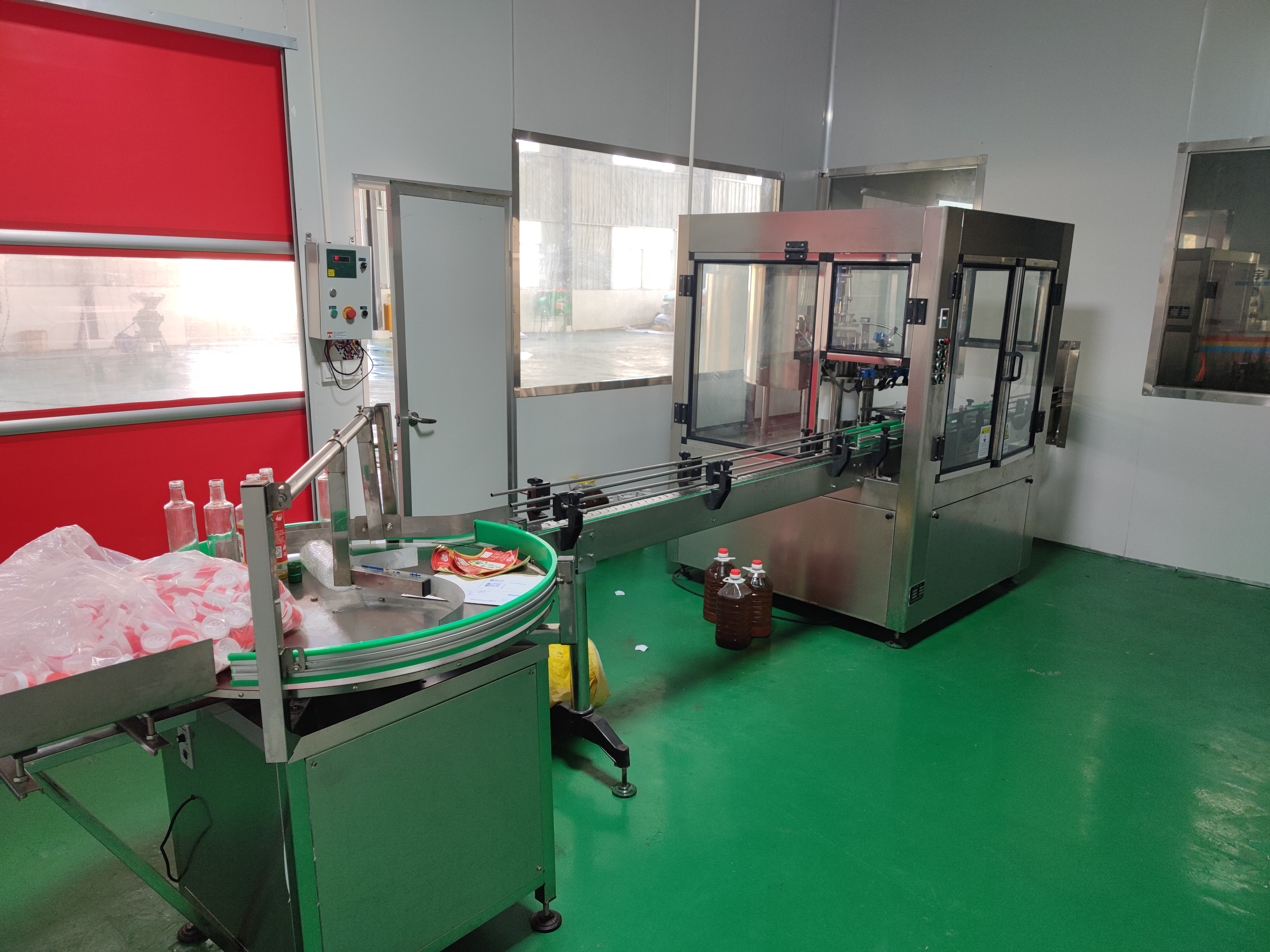
Most plant managers overlook conveyor systems, but they account for 8-12% of total press line energy use, and poor maintenance and scheduling can increase this by up to 30%. Common issues include misaligned belts that cause extra friction, over-sizing motors for required load, and idle running during shift changes or material gaps that wastes energy for no output.
Simple fixes include annual belt alignment and bearing lubrication (cuts friction energy use by 6-10%), adding idle stop sensors that turn off conveyors during material gaps, and adjusting multi-shift scheduling to group production runs instead of frequent start-stop cycles. For plants running 2 or 3 shifts daily, standardized maintenance scheduling also prevents unexpected downtime and keeps energy use consistent across all production runs. We recommend following the maintenance check schedule below to keep energy use low:
For most export-focused peanut oil processing plants, completing the 3 steps above and implementing the low-cost upgrades delivers an average 15-25% reduction in total press energy use, with payback periods ranging from 6 to 18 months depending on your current energy costs. Lower production costs let you offer more competitive pricing to international buyers without cutting your own profit margin, while consistent, efficient production also helps you meet delivery deadlines more reliably – a key factor global buyers prioritize when choosing long-term suppliers.
Adding automated energy monitoring systems takes these improvements one step further, tracking real-time energy use per press and alerting your team to efficiency drift before it turns into significant cost waste. Automation also reduces human error in temperature and pressure control, keeping energy use consistent shift after shift.
Penguin Group’s industrial energy efficiency team helps export-focused processing plants implement low-cost energy reduction upgrades tailored to your production capacity. Contact our team today for a customized energy efficiency assessment.
Get Your Free Energy Diagnostic Consultation →