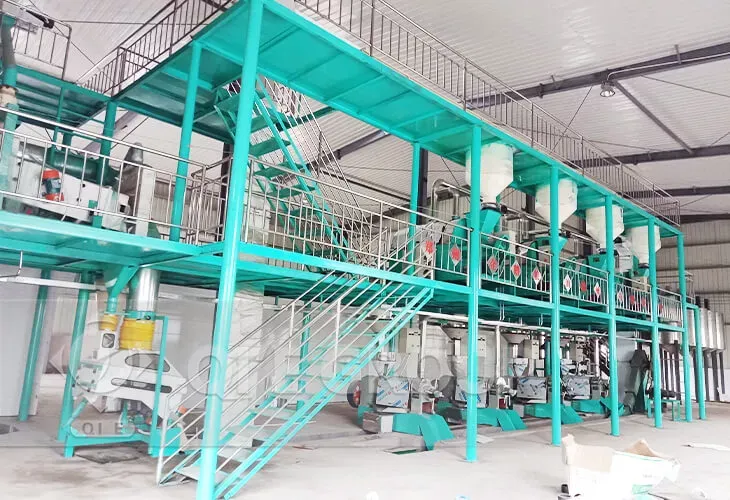
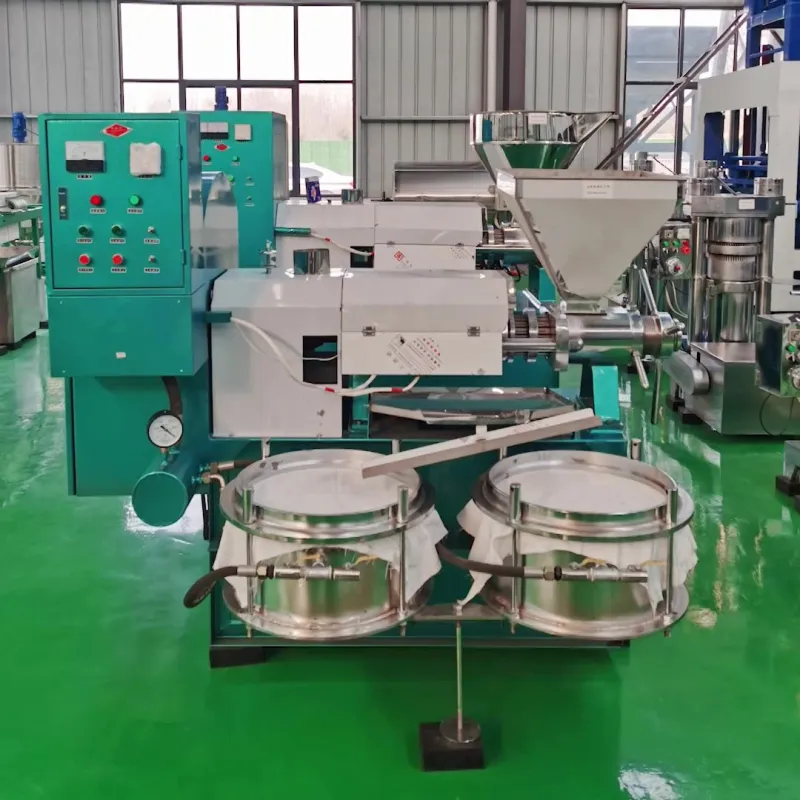
When exporting peanut oil pressing equipment to global markets, one of the most costly mistakes manufacturers and buyers make is overlooking regional food safety hygiene standards. Every year, an estimated 12% of industrial food equipment shipments are delayed at customs or rejected entirely due to non-compliance with local regulations, according to 2023 data from the International Trade Administration. This guide breaks down key compliance requirements for major markets, and shares practical tips to help you select the right equipment that meets all global standards.
At Penguin Group, we’ve helped over 300 industrial peanut processing businesses navigate export compliance challenges over the past 15 years, so we know exactly where common pitfalls occur.
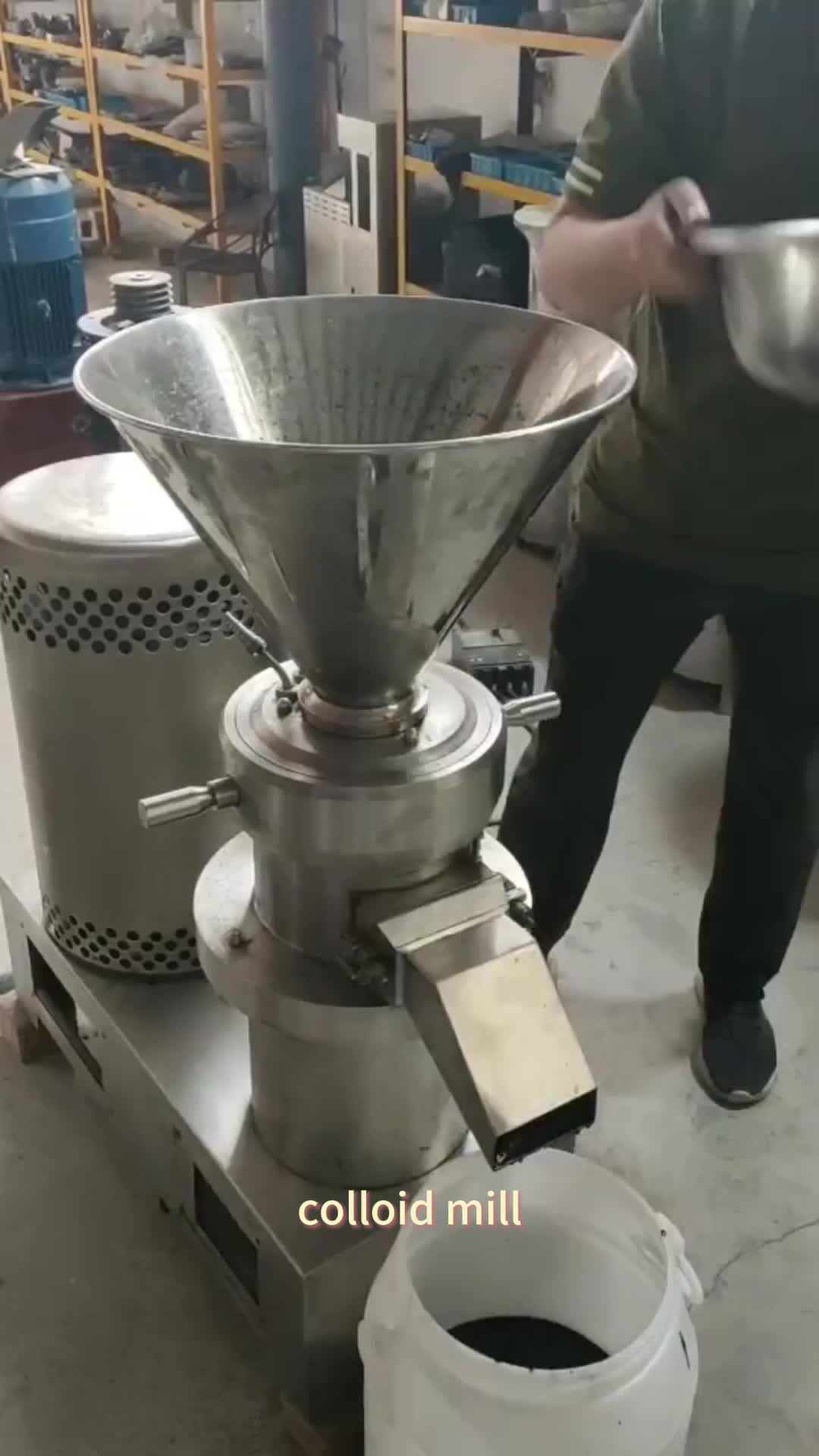
Food processing equipment is held to strict hygiene requirements across every major economy. For peanut oil presses, the biggest compliance risks stem from two core factors: equipment material and production process safety.
Low-quality carbon steel or uncertified stainless steel is the most common mistake we see. For all food-grade peanut oil pressing, 304 stainless steel (or higher grade 316 for high-moisture processing environments) is the minimum requirement for most markets. Why?
Cutting costs by using mixed materials (e.g. uncertified steel for internal contact parts) will almost always lead to rejection at import inspection. In 2022, a mid-sized peanut processor based in Southeast Asia lost over $120,000 when a shipment of 10 oil presses to the U.S. was turned away because internal pressing screws used uncertified steel that didn’t meet FDA requirements. This mistake could have been easily avoided with proper upfront material verification.
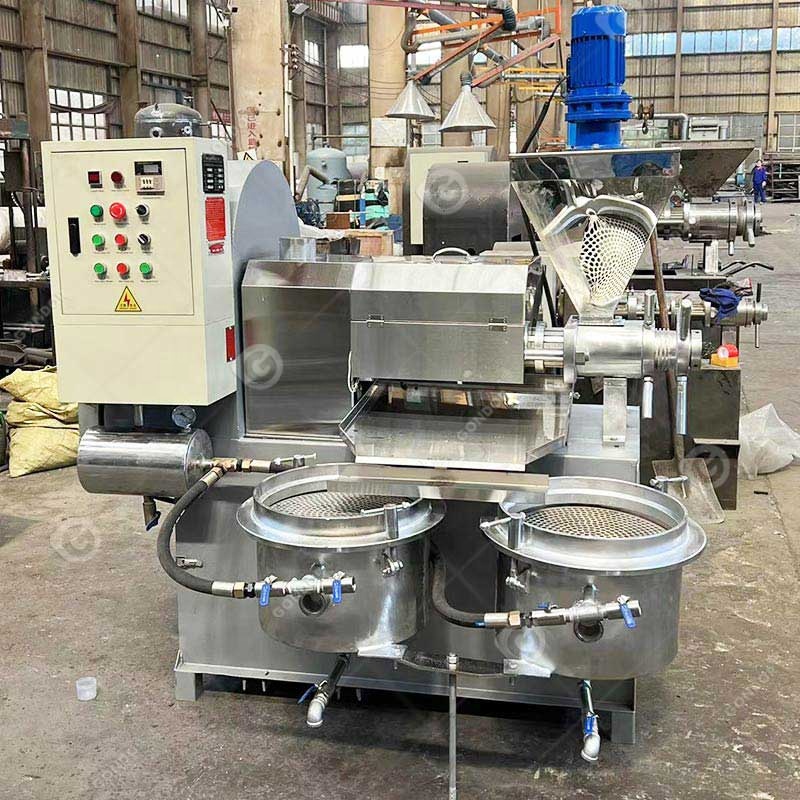
Not all global standards are the same. Here’s what you need to know for the most common export markets:
All food contact equipment imported into the U.S. must meet FDA 21 CFR food contact material requirements. For industrial processing equipment, NSF/ANSI 141 certification is required to confirm the equipment is designed for safe food production and easy cleaning. Many new exporters make the mistake of only getting FDA material approval without NSF equipment certification, leading to delayed customs clearance.
The EU requires all food processing equipment to comply with HACCP (Hazard Analysis and Critical Control Point) systems to identify and mitigate food safety risks. In addition, CE marking is mandatory for market access, confirming compliance with EU safety, health, and environmental protection standards. Unlike the U.S. approach, the EU requires full documentation of the entire production process of your equipment, not just material testing.
For most emerging markets in Africa, Southeast Asia, and South America, ISO 9001 (quality management) and ISO 22000 (food safety management) certifications are widely accepted as proof of compliance. Having these global certifications makes it much easier to enter multiple markets without repeating testing and certification processes, reducing your export costs by up to 25% according to our internal data.
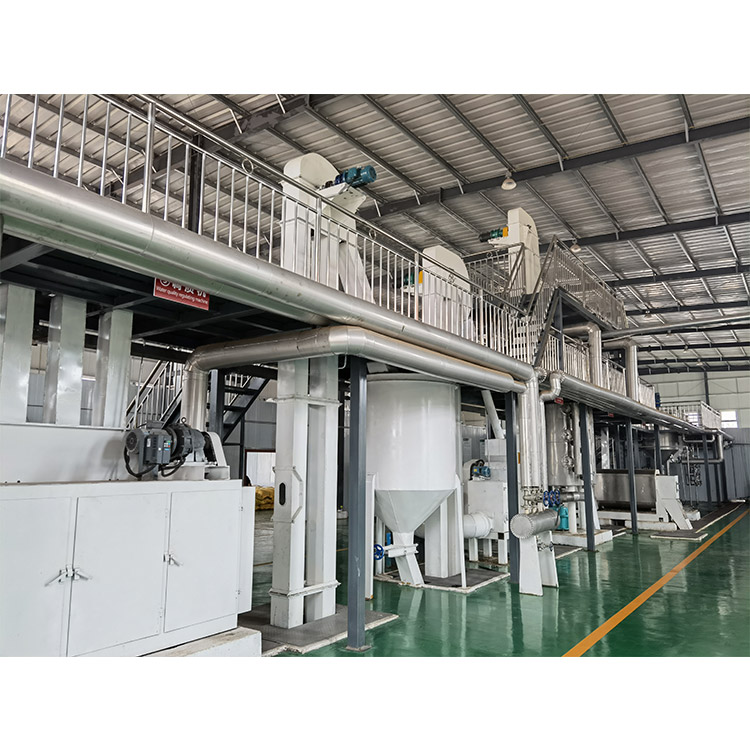
Beyond compliance, two more factors will make or break your long-term success with exported peanut oil press equipment:
Fully automated peanut oil pressing equipment reduces labor requirements by up to 70% compared to semi-manual lines, which is a major selling point for buyers in high-wage economies like North America and Western Europe. For smaller operations in emerging markets, semi-automated lines with core automated pressing functions offer a better balance of cost and efficiency. When selecting equipment, match the automation level to your target market’s average labor costs to maximize competitiveness.
Energy costs account for 18-25% of total operating costs for peanut oil production. Modern energy-efficient peanut oil presses reduce energy consumption by an average of 15% compared to older designs, which adds up to tens of thousands of dollars in savings per year for a 10-ton per day processing line. Highlighting energy efficiency as a core value proposition will help you win more price-conscious buyers.
Get a step-by-step checklist to verify compliance, materials, certifications, and performance before you buy, to avoid costly export mistakes.
Instant Download Free ChecklistFor most standard peanut oil pressing operations, 304 stainless steel meets all global hygiene requirements. If you process high-moisture peanuts or use harsh daily cleaning chemicals, 316 stainless steel offers additional corrosion resistance.
Many certifications are mutually recognized. For example, ISO 22000 is accepted in over 160 countries, so you won’t need to recertify for every market. We recommend working with a supplier that pre-certifies equipment for all your target markets to reduce paperwork and delays.
Penguin Group designs and manufactures all peanut oil pressing equipment to meet global hygiene standards from the initial design stage. All our equipment comes with pre-tested materials and full certification documentation for FDA, CE, ISO, and NSF requirements, so you can ship to your customers without compliance delays.