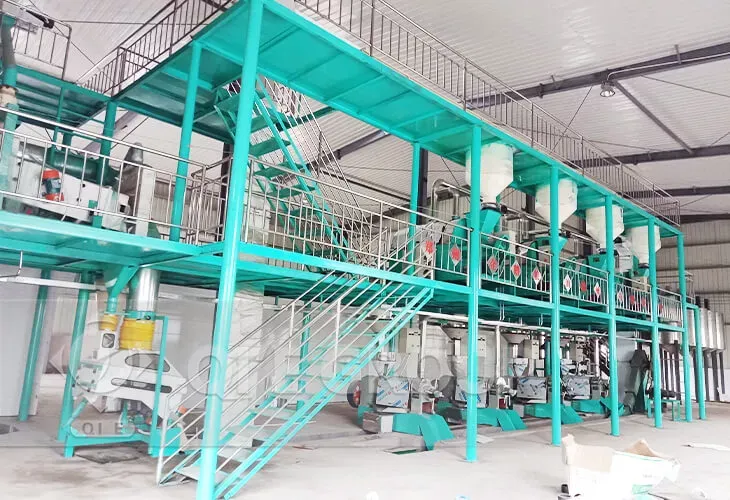
Real Problem for Export-Focused Oil Processors: Did you know 68% of small to mid-sized edible oil processing plants lose 10-20% of their monthly profit to unexpected energy waste in peanut oil pressing lines? If rising energy costs are eating into your global order margins, you're not alone. We'll show you 3 actionable steps to diagnose abnormal energy consumption and cut your monthly electricity use by over 15%.
Last quarter, a 200 ton/day export-oriented peanut oil processor in Southeast Asia reached out to the Penguin Group engineering team. They were losing $8,700 every month to unplanned energy costs, and were at risk of losing a major 2-year European retail contract because they couldn't match competitor pricing. After a 2-day audit, we found 72% of their excess energy use came from just three problem areas: an uncalibrated heating system, a leaky hydraulic unit, and an overloaded conveyor belt.
The good news? You don't need to buy brand new equipment to fix this. Most abnormal energy consumption can be diagnosed and fixed in less than a week with basic on-site checks, saving you thousands of dollars annually without major capital investment.
Start with 10 minutes of basic data checks to confirm you have an issue. Compare your daily energy use per ton of finished oil over the last 3 months. If your energy per ton is more than 8% higher than your 3-month average, you have an abnormal consumption problem. Other common warning signs include inconsistent pressing pressure, uneven heating across the pressing chamber, and unplanned downtime caused by overheated motors.
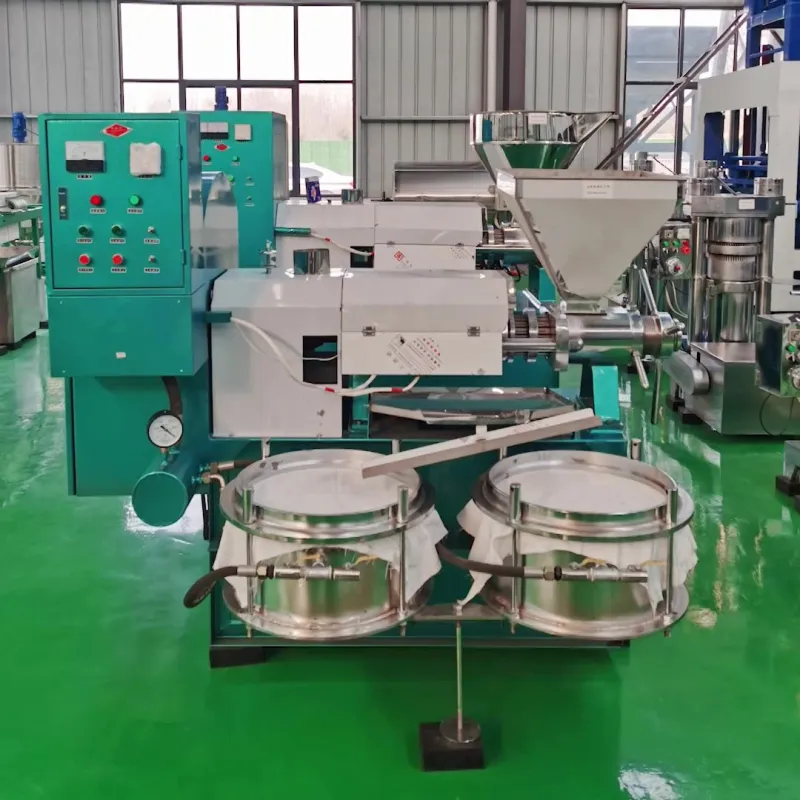
Over 70% of energy waste in peanut oil pressing happens in three core areas, so we recommend checking them in order:
"After 18 years working on oil processing lines, I've found that 80% of energy waste issues come from skipped basic maintenance, not broken equipment. Simple fixes deliver 90% of the energy savings." — Lead Field Engineer, Penguin Group
Based on our field tests, these fixes deliver the fastest ROI:
For facilities running 24/7 multi-shift operations, adding a PLC automated control system to adjust heating and pressure based on input volume can cut energy waste by another 4-6% while reducing human error.
| Maintenance Task | Frequency | Average Energy Savings Impact |
|---|---|---|
| Clean pressing chamber residue | Weekly | 4% |
| Lubricate conveyor & press bearings | Weekly | 2% |
| Calibrate temperature & pressure sensors | Monthly | 3% |
| Test hydraulic system for leaks | Quarterly | 4% |

After implementing our 3-step diagnosis and maintenance plan, the export-oriented processor I mentioned earlier cut monthly energy use by 16.2% and increased oil yield by 2.8% within 30 days. They regained their European contract and added $104,400 to their annual bottom line without any major equipment upgrades.
Master these three steps, and you can easily cut 15% off your energy costs, making every kWh work harder for your profit margin. Lower operational costs mean you can price more competitively for global orders, growing your export business without sacrificing margin.
Our Penguin Group engineering team helps export-focused oil processors cut energy costs and boost operational efficiency. Book a free 30-minute consultation today to identify your biggest energy waste opportunities.
Book My Free Energy Assessment Now