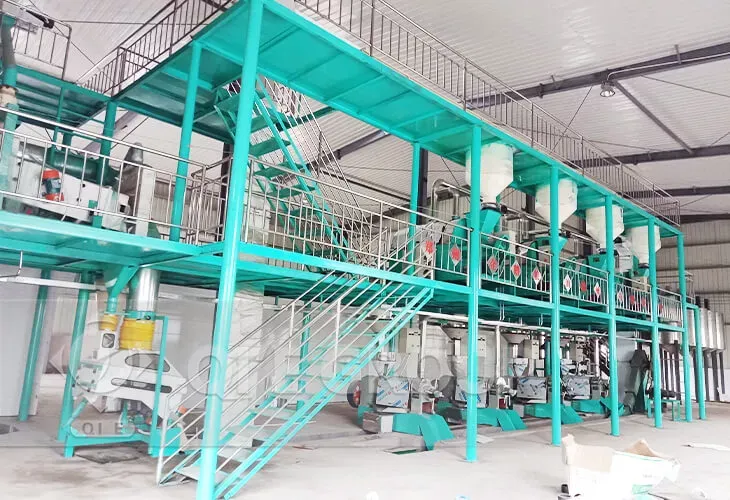
If you're a maintenance technician at an edible oil processing plant, you know just how costly an unexpected oil pump shutdown can be. The average unplanned downtime event costs mid-sized edible oil facilities between $8,000 and $15,000 per hour in lost production and emergency repair costs. Most of these shutdowns stem from 4 common oil pump failures that can be fixed in under 30 minutes if you know what to look for. In this guide, we'll walk you through a step-by-step troubleshooting process to get your line back up and running fast.
A jammed oil pump is the most common cause of sudden line stops, and it's almost always tied to contamination. If your pump won't start or stops mid-operation, start with the simplest check first: confirm the power supply and drive coupling is intact (this takes 2 minutes and rules out 15% of false alarms). Next, check the suction strainer – 73% of pump jams in edible oil facilities are caused by accumulated food solids or sludge that restrict flow.
Contaminated hydraulic oil is the second leading cause of jams, especially in facilities that run 24/7 production. Over time, solid particles from processed seeds wear down pump gears and vanes, leading to seizure. If the strainer is clear, drain a small sample of hydraulic oil – if it's darker than new oil or you can see visible sediment, contamination is the likely culprit.
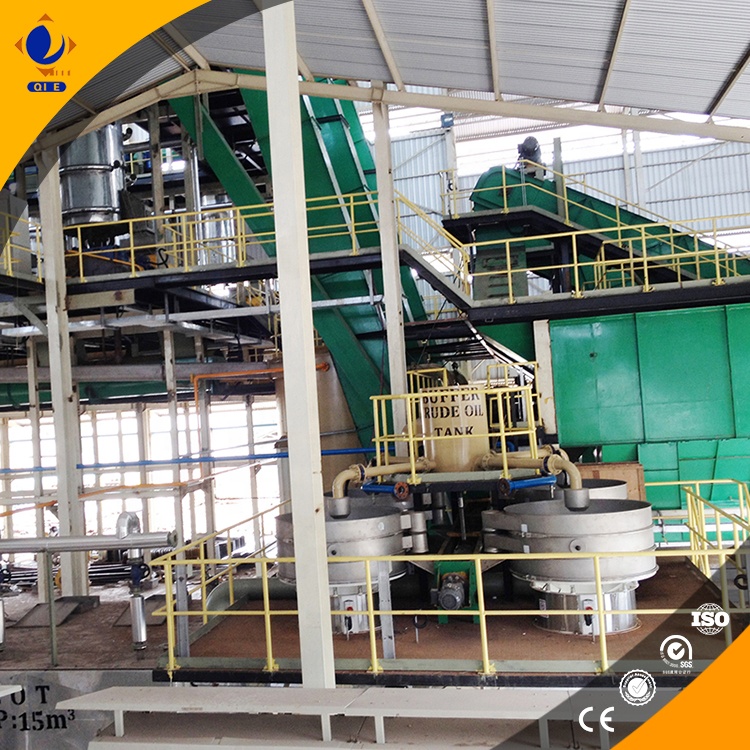
Industry Expert Note: According to ISO 4406 hydraulic fluid cleanliness standards, edible oil processing equipment requires a minimum cleanliness rating of 18/15 to prevent premature pump wear. We recommend testing oil quality every 3 months for continuous operations.
If your system is showing lower-than-normal pressure, the first check is internal leakage from worn pump components. Over 5 years of operation, average pump clearances can increase by 3x, leading to a 20-40% drop in output pressure. Next, check for suction line leaks – even a small air leak can reduce pressure dramatically. If you're running in a high-temperature environment (over 35°C/95°F), check for internal oil aeration caused by low viscosity from heat.
Interactive check: Please record your system's idle and operating pressure readings after this check to track performance changes over time.
Leaks are easy to spot, but identifying the root cause prevents repeat issues. 80% of external oil pump leaks come from aged or damaged seals. High operating temperatures speed up seal degradation – in warm climates, seals can lose elasticity 2x faster than in controlled environments. If you've replaced seals multiple times in a year, check for misaligned pump and motor shafts: misalignment causes excess vibration that destroys seals prematurely.
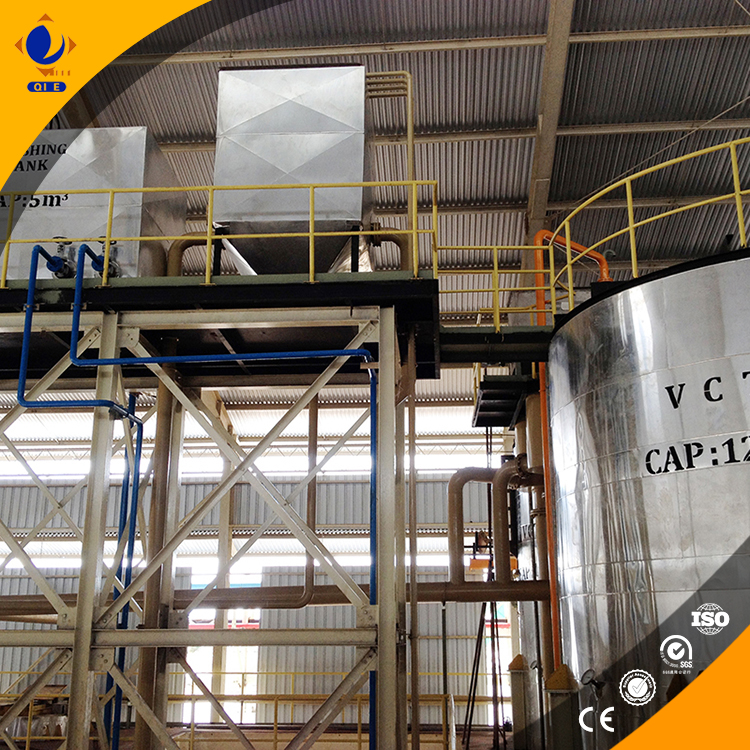
Excessive noise is another common complaint that often precedes a full breakdown. Common causes include: aeration in hydraulic oil, worn bearings, loose mounting bolts, or contaminated fluid that causes gear wear. If your pump starts making a knocking or grinding noise, shut it down immediately – running a noisy pump can cause irreversible damage to the entire pump housing, increasing repair costs by 300% or more.
Instead of reacting to failures, build a simple routine maintenance checklist to extend your pump's service life:
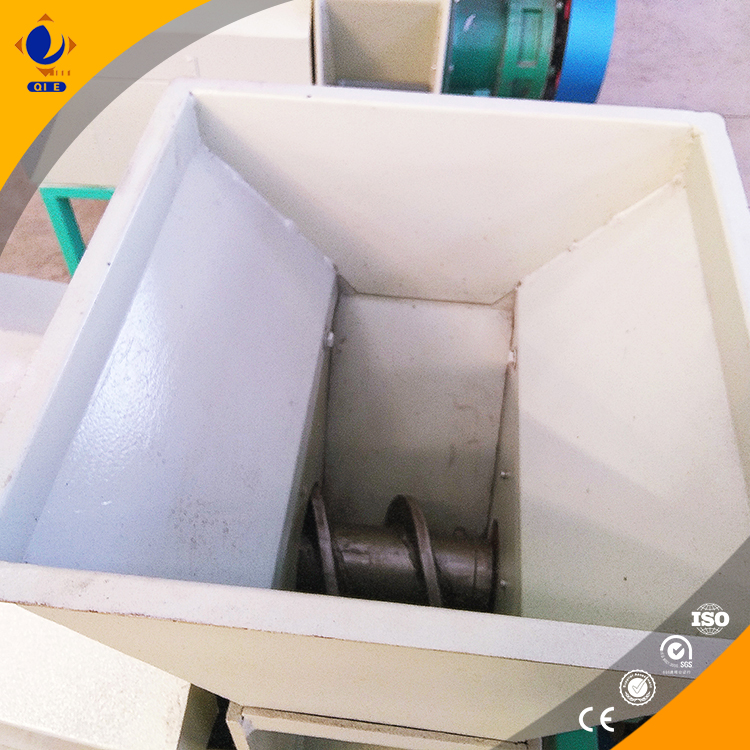
At Qin Group (Penguin Group), we design and manufacture reliable oil processing machinery built for long-term continuous operation, with full technical support for maintenance and upgrades.
Explore our oil pump maintenance and replacement solutions