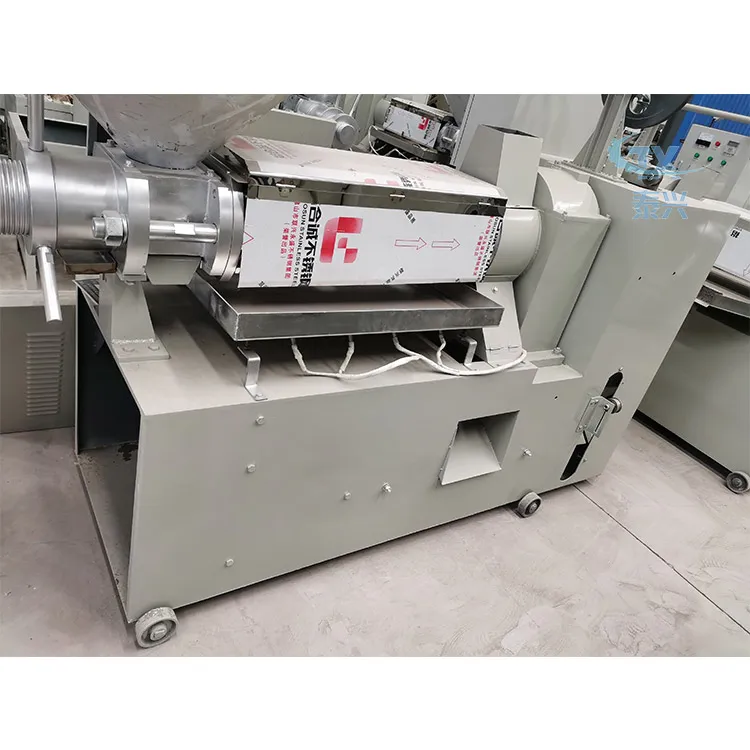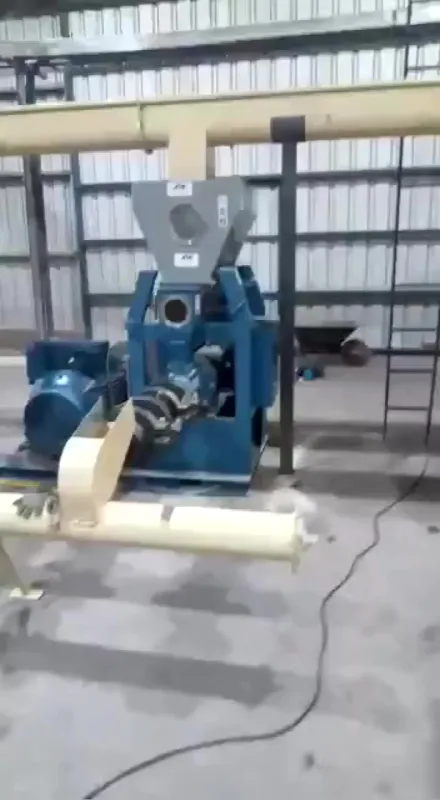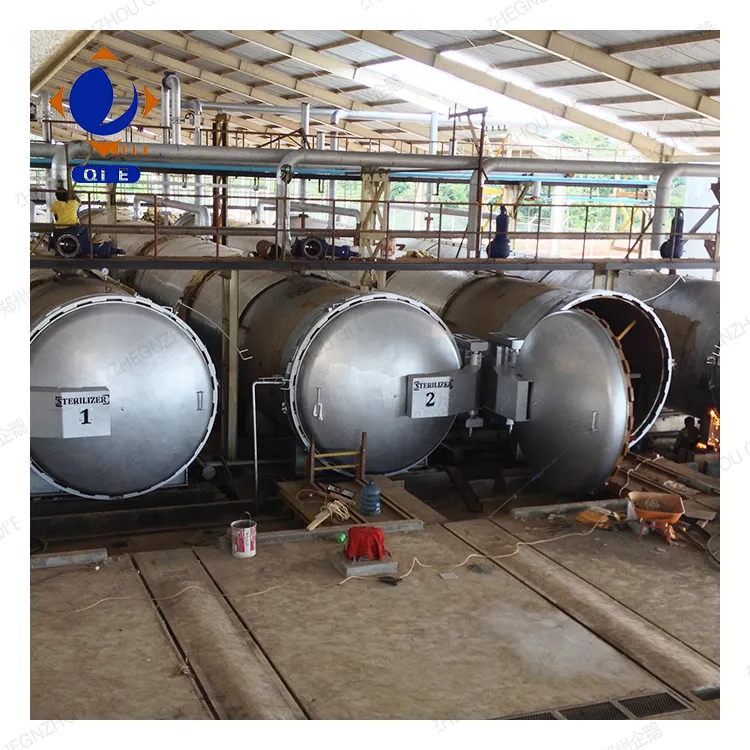
In grain and oil processing facilities, unexpected downtime costs an average of $30,000 to $50,000 per hour according to industry manufacturing data. Most unplanned stops stem from small, unaddressed issues with core hydraulic components — and the oil pump is one of the most common culprits.
Whether you’re dealing with sudden jamming, low pressure, or visible leaks, a structured troubleshooting approach cuts diagnosis time from hours to minutes, getting your production line back up and running quickly. Below, we break down step-by-step fixes for the four most common grain and oil machinery oil pump problems, plus actionable preventive maintenance tips from Penguin Group’s engineering team.
Jamming or sudden stalling is the most disruptive oil pump failure, usually triggered by one of three issues:
Low oil pressure doesn’t always cause a full stop immediately, but it reduces processing efficiency and can damage other connected equipment over time. Common signs include slow cylinder response in pressing equipment and inconsistent output flow.
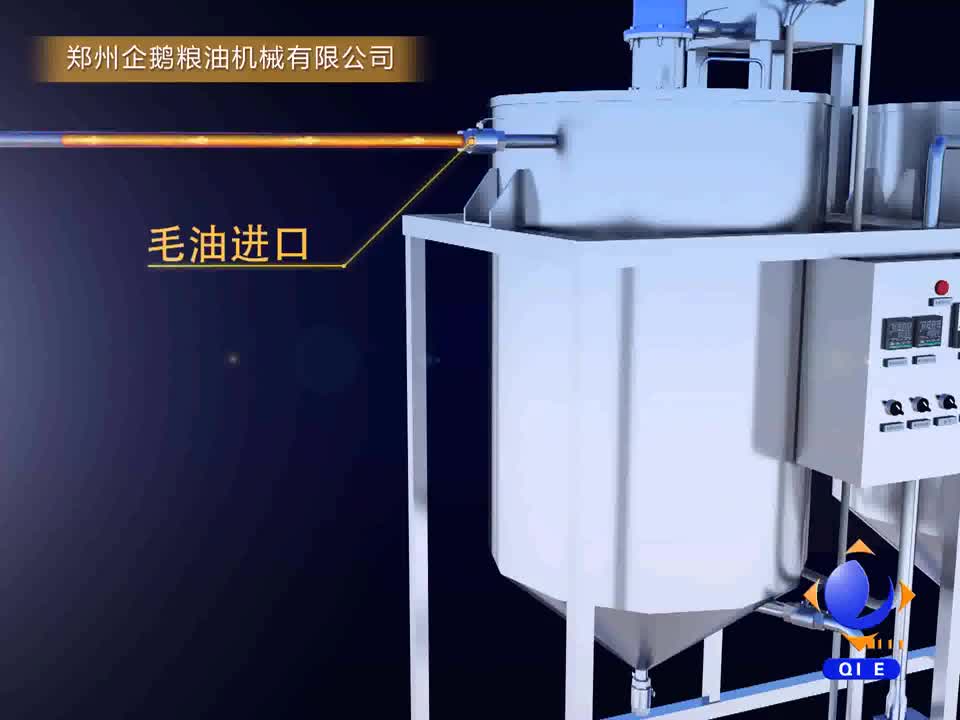
Start your troubleshooting with the simplest checks first: confirm the suction line connections are tight, and check the filter for blockages. If pressure remains low after replacing the filter and tightening connections, test the pump’s internal wear — if clearance exceeds manufacturer specs by more than 10%, it’s time for a replacement pump.
Oil leaks are easy to spot, but many facilities put off repairs because they seem minor. Even a slow leak of one drop per minute wastes over 40 gallons of hydraulic oil per year, and creates slip hazards for your maintenance team. The vast majority of oil pump leaks stem from aging seals.
Seals degrade over time from constant pressure, temperature swings, and exposure to contaminated oil. Signs of seal failure include:
When replacing seals, always use OEM-grade seal material matched to your pump and hydraulic oil type. Generic seals often fail 2-3 times faster than purpose-built replacements, leading to more frequent downtime.
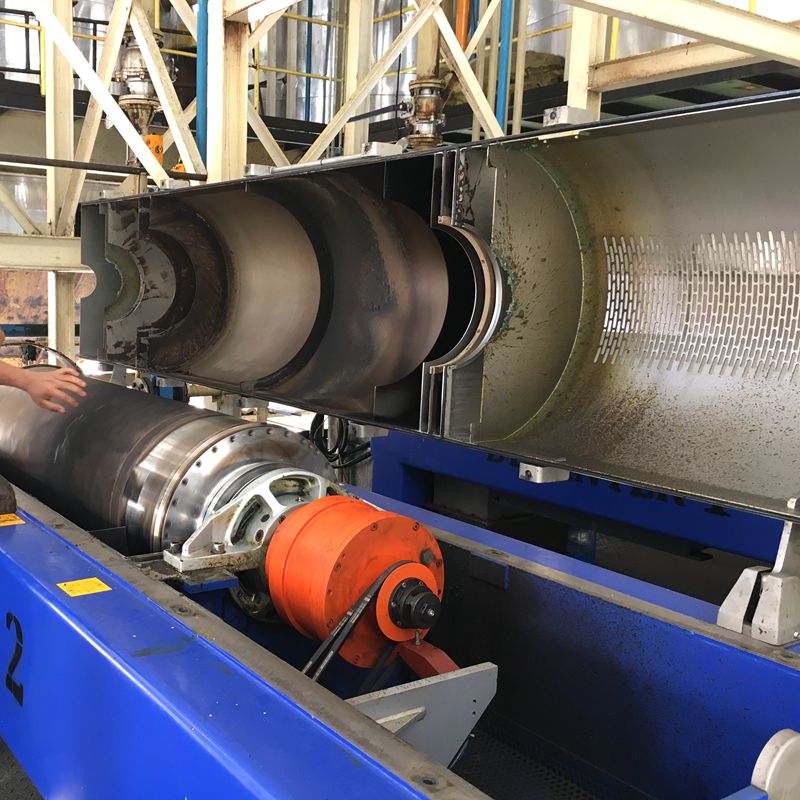
The best way to avoid costly oil pump failures is consistent proactive maintenance. Follow these simple steps to extend your pump’s lifespan and reduce unplanned stops:
With proper preventive maintenance, a high-quality industrial oil pump can last 5-8 years in continuous grain and oil processing operations. Poor maintenance can cut that lifespan to just 2-3 years.
If the pump housing and core components are undamaged, repairing worn seals, bearings, or couplings is usually cost-effective. If internal gears or rotors are excessively worn, replacement is a better long-term investment, as repairs will likely fail within 12-18 months.
Penguin Group engineers industrial hydraulic pumps designed for the heavy daily use of grain and oil processing facilities, with precision-machined components and long-lasting seals that reduce maintenance needs and downtime. Our team can help you match the right pump to your existing machinery and provide custom specifications for unique processing lines.
Get A Free Quote For Replacement Grain & Oil Machinery Oil Pumps