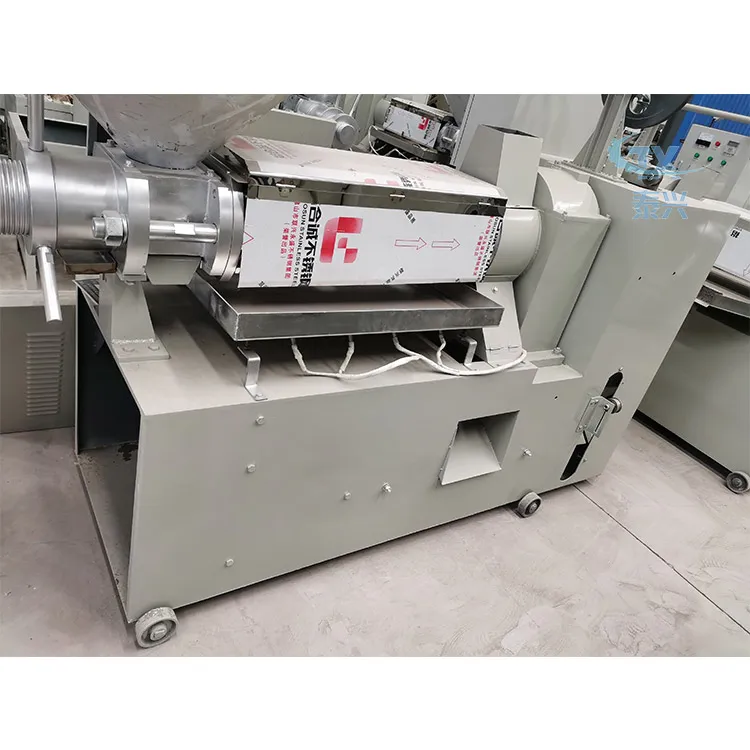
For grain and oil processing facilities, unexpected downtime from oil pump failures can cost up to $15,000 per hour in lost production and wasted raw materials. Even small issues like minor pressure drops or occasional noise can escalate into full breakdowns if left unaddressed. With decades of supporting industrial equipment for food processing facilities, Penguin Group compiled this practical troubleshooting guide based on thousands of on-site service reports, to help your maintenance team identify and resolve issues fast.
Sticking rotors are the most frequently reported failure, accounting for 38% of all oil pump issues in grain and oil processing facilities. The most common cause is contamination from fine grain particles that slip past primary filters, building up in hydraulic oil over time. Other causes include seal degradation that allows raw processing material to enter the pump chamber, or infrequent oil changes that leave sludge blocking internal clearances.
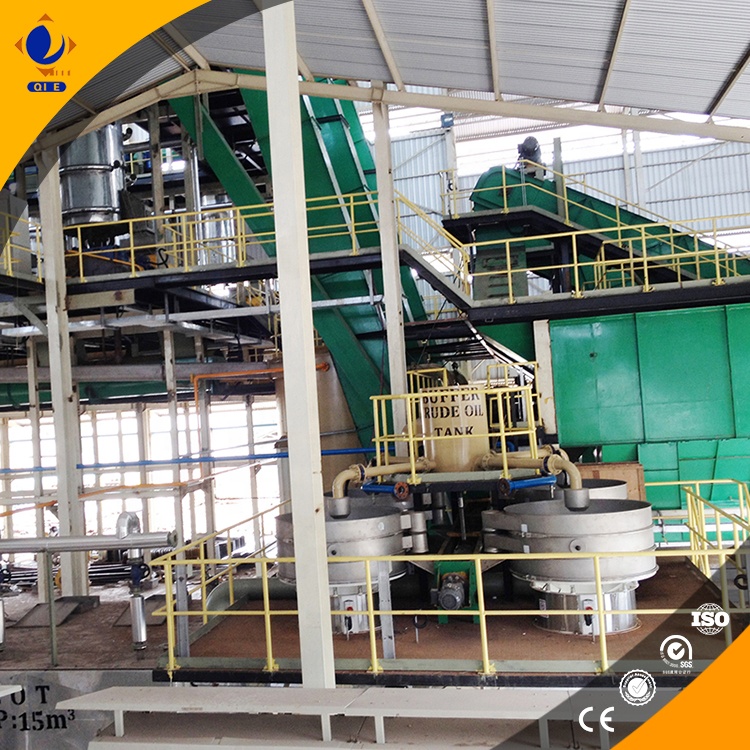
If your pump can’t maintain consistent pressure, the automatic feeding and pressing processes of your grain and oil line will suffer from uneven output and lower quality oil. Common issues include worn internal gears or rotors (which develop excessive clearance after 3-5 years of continuous use), clogged intake filters, or air leaks in the suction line that disrupt the vacuum needed for proper pumping. A less obvious cause is degraded hydraulic oil viscosity that drops too much at high operating temperatures common in oil extraction facilities.
Leaks not only create messy, unsafe working conditions, but also waste costly hydraulic oil and risk contaminating processed grain products. Over 80% of leaks are caused by aged or damaged seals: operating temperatures that regularly exceed 60°C (140°F) can cause rubber seals to harden and crack in as little as 18 months. Improper installation during routine maintenance can also cause seal misalignment that leads to premature failure.
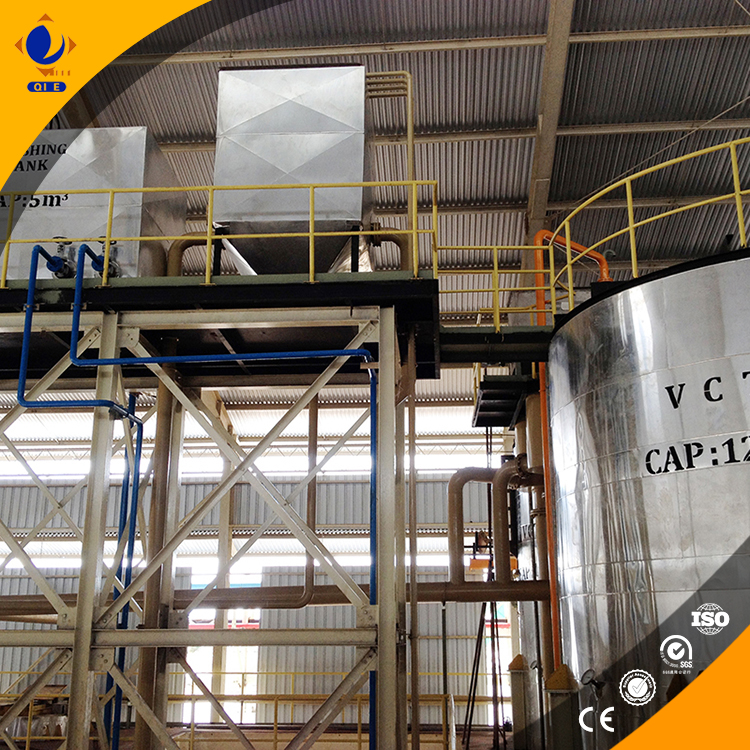
Loud knocking or constant vibration is an early warning sign of serious internal damage. Most cases stem from cavitation caused by insufficient inlet flow (from a clogged filter or blocked suction line), which creates air bubbles that collapse on the pressure side, damaging internal components over time. Other common causes include misaligned pump and motor couplings, worn bearings, or loose mounting bolts that allow excessive movement during operation.
To cut down troubleshooting time from an average of 2 hours to 30 minutes, follow this systematic approach, starting with the easiest checks first:
Preventive maintenance reduces unplanned downtime by 72% for grain and oil processing equipment, according to food processing industry maintenance data. Follow these simple rules to extend your oil pump service life:
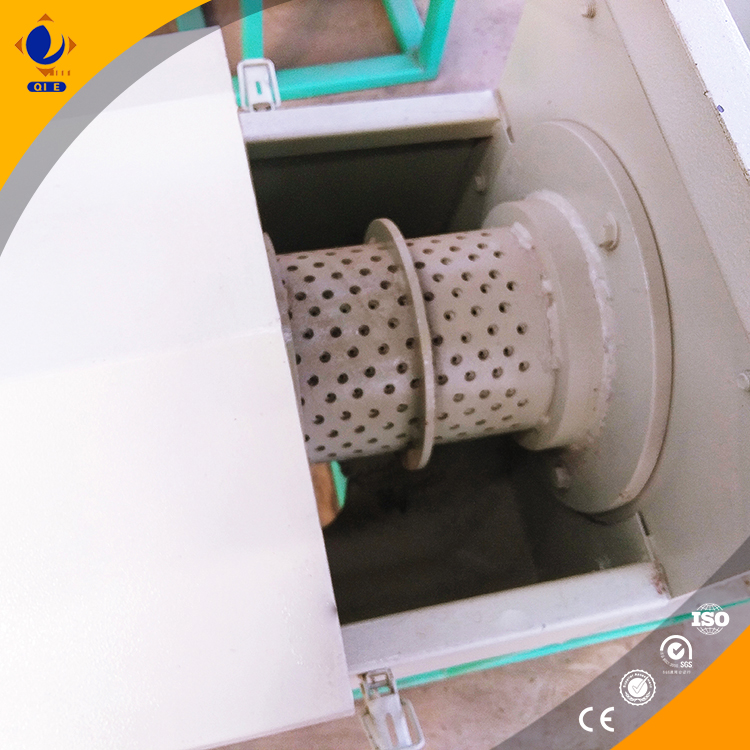
Penguin Group delivers engineered reliable oil pump solutions for grain and oil processing machinery, with full technical support for maintenance and upgrades. Our team can help you select the right pump for your operating conditions and provide on-site training for your maintenance team to reduce long-term downtime.
Contact our industrial equipment specialist today