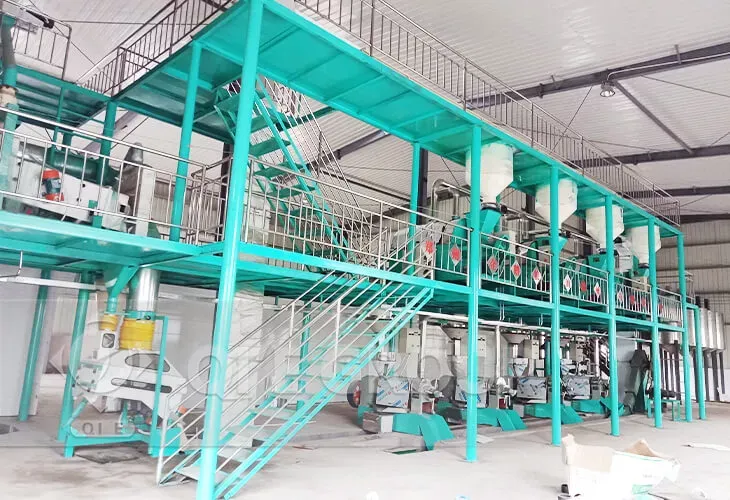
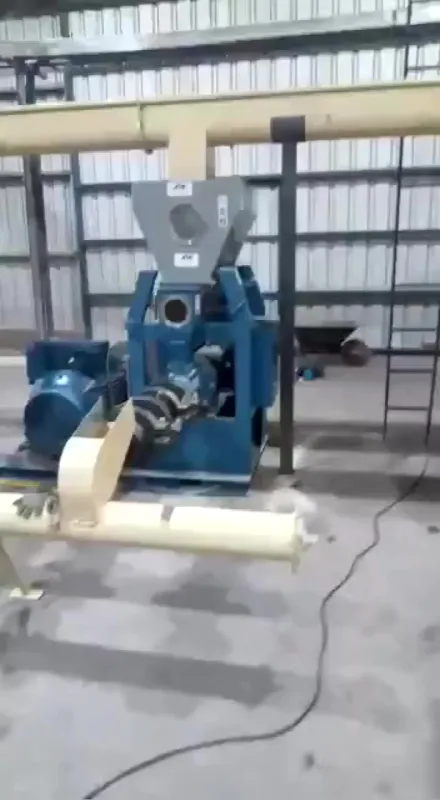
For newcomers embarking on oilseed processing, selecting the right oil extraction machine can be daunting. Efficiency, cost, and material compatibility all influence long-term success, especially in small-scale operations where budget constraints and limited floor space are critical challenges. This article unpacks practical strategies for configuring high-yield oil extraction setups tailored to common raw materials such as soybeans and sunflower seeds.
The first step is to align machine capacity with daily production targets. For example, a facility aiming for 100–200 kg of crude oil daily will require different equipment than one targeting 500 kg or more. Over-sizing not only inflates upfront cost but can increase operational inefficiency; undersizing leads to bottlenecking.
Experts recommend starting with machines rated slightly above your daily estimated throughput to accommodate raw material variability. For soybean processing, a typical screw press with 5–10 HP can achieve 150–200 kg/day, while for sunflower seeds, similar models handle comparable volumes but may need parameter adjustments due to seed oil content variances (sunflower seeds have ~40-50% oil content; soybeans around 18-20%).
A critical differentiator lies between traditional mechanical oil presses and modern energy-saving automated equipment. Mechanical presses often use 5–10 kW per hour and demand manual feed and monitoring. In contrast, automated models integrate temperature and pressure controls, reducing energy use by up to 20–30% and improving oil yield by 5–7% through optimized extraction parameters.
Furthermore, semi-automatic machines strike a balance between manual oversight and automation — ideal for beginners who prioritize reliability without high capital investment. Full-automation suits operators who can invest more upfront and want to maximize throughput with minimal downtime.
Different oilseed varieties mandate tailored pre-treatment and settings. For instance, soybeans generally require steaming or roasting at 80–90°C for 15 minutes to break cell walls and increase oil release. Sunflower seeds benefit from drying to 8–10% moisture before pressing to prevent clogging and optimize flow.
Adjusting screw speed and press chamber temperature optimizes oil recovery. Data shows that increasing press temperature by 10°C can improve yield by approximately 3-4%, without degrading oil quality, but excessive heat must be avoided.
Many new entrants operate on constrained footprints. Compact and modular equipment designs address these spatial limitations, enabling stacked or linear layouts. For example, modular screw press units of 1.5m length and 0.5m width can fit into spaces less than 2 m², facilitating ease of installation and maintenance.
Additionally, plug-and-play electric controls simplify commissioning. Our recommended cases show startups completing setup and first-run commissioning within 48 hours, minimizing downtime risks.
Consider a recent client, a startup based in Eastern Europe, targeting 180 kg of soybean oil per day. Initially, they invested in a large-capacity press (15 HP), which stalled with low throughput and inflated electricity bills. After consultation, they downsized to a 7.5 HP semi-automatic unit optimized for soybeans, invested in proper steaming equipment, and implemented scheduled operator training.
Within 3 months, their operational costs dropped by 25%, extraction rate improved by 12%, and product consistency stabilized — proving the value of targeted equipment specification over "bigger is better" thinking.
Engage with our Free Configuration Calculator, designed to help you determine the optimal presser type, capacity, and layout based on your production goals and raw material specifics.
| Equipment Type | Capacity (kg/day) | Power (kW) | Automation Level |
|---|---|---|---|
| Mechanical Screw Press | 100–200 | 5–7 | Manual |
| Semi-Automatic Press | 150–350 | 6–9 | Semi-automated |
| Fully Automated Press | 300–600 | 7–12 | Automatic |
Starting operation is smoother when following these guidelines:
Proper commissioning can cut troubleshooting time by 40% and extend equipment life.