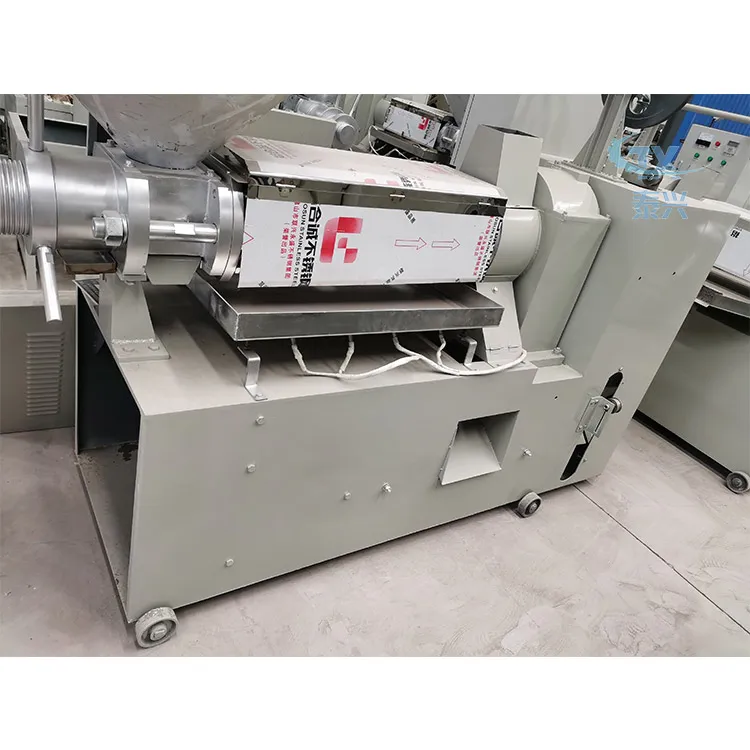
For small to medium-scale oil producers looking to boost efficiency and consistency, understanding how to operate an advanced oil press machine is essential—not just for daily production but also for long-term equipment health and yield optimization. At Penguin Group, we’ve designed our fully automatic multi-function oil press to be both powerful and user-friendly, with a clear operational flow that reduces training time by up to 40% compared to older models (based on field testing across 30+ facilities in Southeast Asia and Eastern Europe).
Before turning on the system, ensure all safety checks are completed:
Use clean, dry seeds or nuts—moisture content should stay below 8%. For optimal extraction, set the screw speed between 35–45 RPM depending on crop type. Our data shows sesame oil yields increase by 7–12% when parameters are fine-tuned per batch rather than kept static.
Collect oil immediately after pressing into stainless steel containers to prevent oxidation. We recommend checking viscosity at 40°C — if it exceeds 50 cSt, consider adjusting temperature or pre-heating raw material to 60–70°C before pressing.
After each shift, clean the pressing chamber and filter screen with warm water and mild detergent. Replace wear parts like rubber seals every 6 months or after 1,500 hours of operation. A recent survey of users found that those who followed this schedule reported 30% fewer unplanned downtimes over a year.
Always power down before inspecting internal components. Use infrared thermometers to scan motors and control panels weekly—any reading above 60°C may indicate overheating issues. Early detection prevents costly repairs and ensures compliance with ISO 13849 standards for machinery safety.
Pro Tip: Keep a logbook for each machine. Tracking parameters like oil output, temperature, and downtime helps identify patterns—and improve your process over time.
Whether you're new to automated oil pressing or optimizing an existing setup, consistent practice and structured maintenance make all the difference. By following these steps, many of our clients have increased their monthly throughput by 15–25% while reducing waste and improving oil clarity.