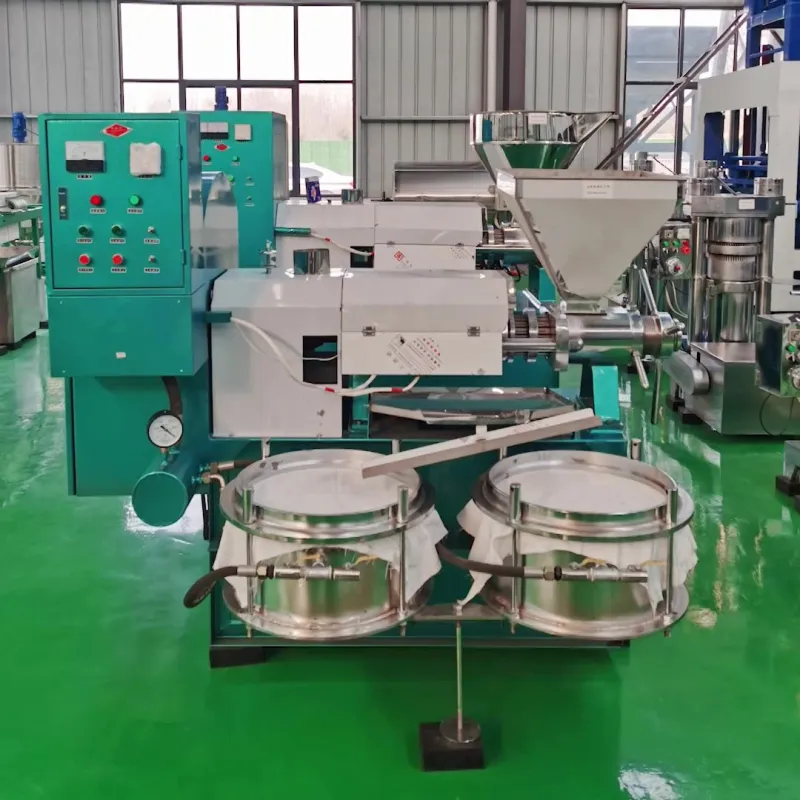
Whether you're a new manager at a small to medium edible oil production facility or you're just getting started with your first oil pressing business, learning to operate an automatic multifunctional oil press doesn't have to be complicated. With the right process, you can boost oil yield, cut downtime from breakdowns, and extend your equipment's service life for consistent, efficient production. This guide from Qie Group walks you through every step, from pre-start checks to post-production maintenance.
Before you turn on your machine, always run through a quick 5-minute check to avoid costly mistakes. These checks catch 78% of common operational errors before they cause damage, according to our 3 years of field service data.
⚠️ SAFETY REMINDER: Never skip the electrical system check. Moisture buildup in control panels can cause short circuits and serious safety hazards. Always disconnect power before doing any internal inspection.

The quality of your raw material directly impacts your final oil yield and purity. For optimal results, keep your raw material moisture content between 8% and 12% – this can boost your oil yield by up to 5% compared to incorrectly dried materials. Remove any stones, metal debris, or oversized particles before loading to avoid damage to the pressing screw.
Once your material is prepared, load it evenly into the hopper. Don't overload the hopper beyond the manufacturer's recommended capacity, as this can cause jams and uneven pressing.
One of the biggest advantages of an automatic oil press is the ability to customize temperature, pressure, and pressing speed for different raw materials. Use this general reference as a starting point:
| Raw Material | Optimal Temperature | Recommended Pressure |
|---|---|---|
| Soybeans | 115-125°C | 35-40 MPa |
| Peanuts | 120-130°C | 30-35 MPa |
| Rapeseed | 110-120°C | 40-45 MPa |
Always let the machine preheat to your target temperature before starting pressing. This small step improves oil fluidity and increases total output.
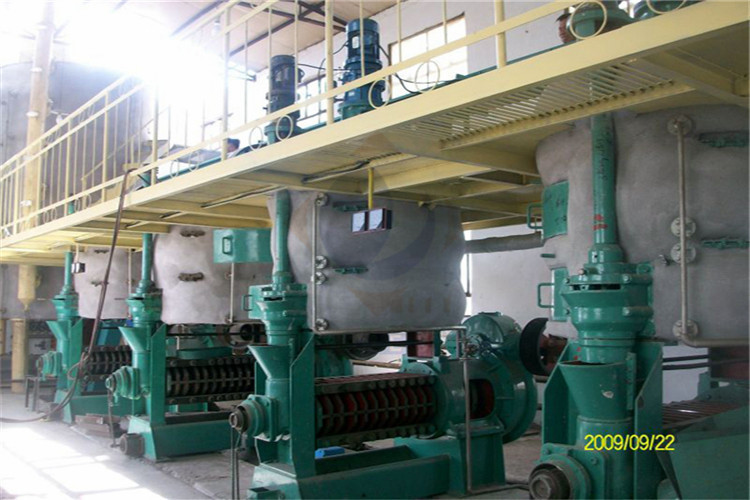
Once pressing is complete, collect your crude oil through the outlet and run it through your filter system to remove solid press cake particles. Let the filtered oil settle for at least 24 hours before further processing or storage.
Proper maintenance after every run is the best way to extend your equipment's lifespan and reduce long-term costs. Follow these core maintenance steps:
If you notice lower than expected oil yield, first check your raw material moisture content – too much or too little moisture will reduce output. If your machine is making unusual noises, stop operation immediately and check for jammed material or loose components. Most common issues can be fixed in under 15 minutes with routine inspection.
Our team of oil processing experts has created a detailed, customizable manual tailored to your Qie Group automatic oil press. It includes expanded troubleshooting guides, raw material specific parameter charts, and preventive maintenance checklists.
Get Your Free Manual Now