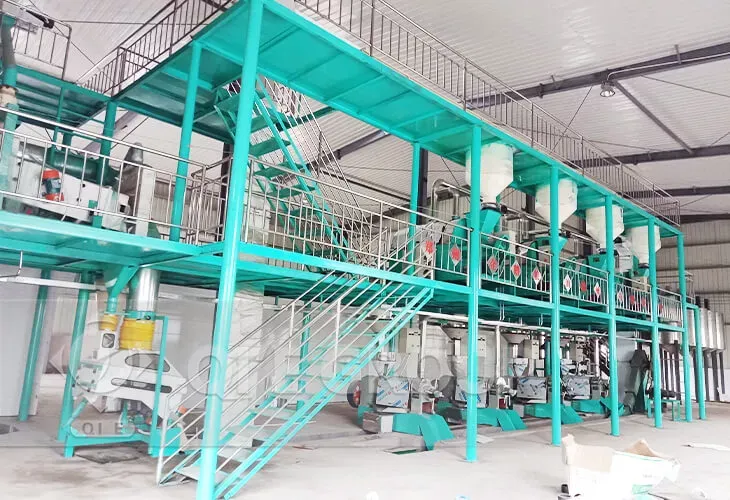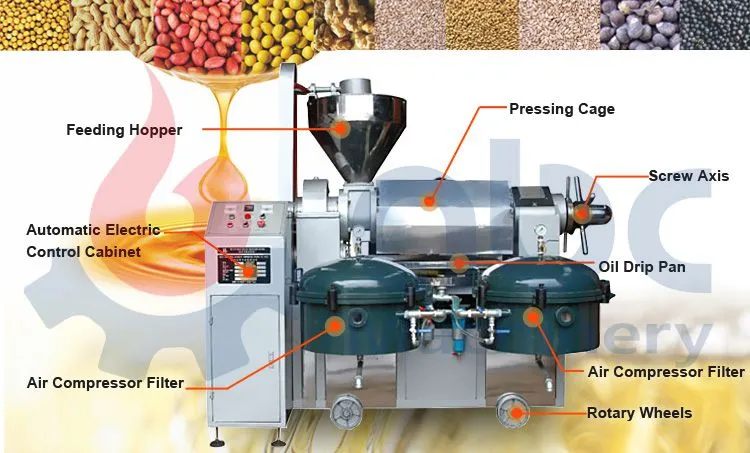
It's well - known that in the current oil extraction operations involving both animal and vegetable sources, several persistent issues plague manufacturers. The oil yield often fluctuates, causing unpredictable revenue streams. Energy consumption remains stubbornly high, eating into profit margins. Moreover, equipment breakdowns occur frequently, disrupting production schedules and increasing maintenance costs. These problems not only affect day - to - day operations but also pose long - term challenges to the overall profitability and competitiveness of oil - pressing businesses.
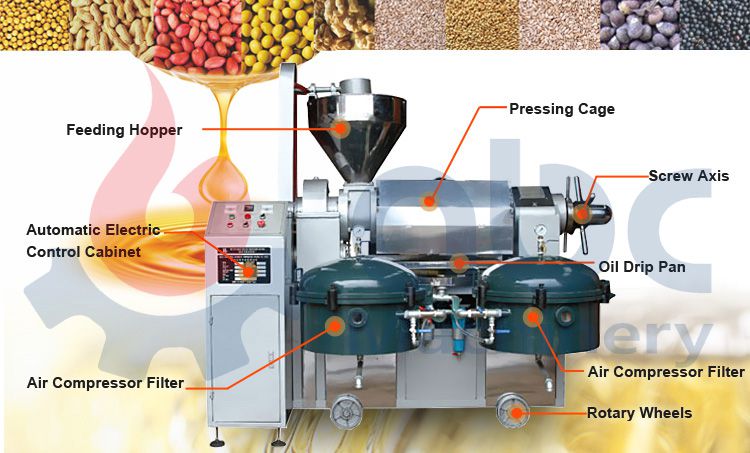
Proper temperature regulation is crucial for optimizing oil extraction. Different oilseeds require specific temperature ranges during the pressing process. For instance, maintaining an ideal temperature can ensure the oil cells in the seeds are broken more effectively while minimizing the degradation of oil quality. Through precise temperature control, the oil yield can be increased by up to 3%.
Pressure also plays a vital role. Applying the right amount of pressure at different stages of the pressing process can improve the oil extraction efficiency. By adjusting the pressure dynamically according to the characteristics of the oilseeds, energy consumption can be reduced by around 8% while maintaining a stable oil yield.
The moisture content of raw materials significantly impacts the pressing outcome. Seeds with appropriate moisture levels are easier to process, resulting in higher oil yields. Ensuring the moisture content is within the optimal range can also extend the service life of the equipment by reducing wear and tear.
Raw material pretreatment affects the entire pressing process. Standardized methods such as cracking, cooking, and flaking can break down the cell structure of oilseeds more uniformly, facilitating better oil release. Consistent pretreatment leads to a more stable oil yield and improved oil quality.
Automation technology can bring more precision and stability to the oil - pressing process. By using advanced sensors and control algorithms, the entire production line can operate more smoothly, reducing human errors and improving production efficiency. Automation also enables real - time monitoring and adjustment of key parameters.
Online monitoring allows operators to keep track of the production process in real - time. By detecting potential issues early, corrective actions can be taken promptly to avoid equipment failures and production losses. This technology also helps in maintaining consistent product quality.
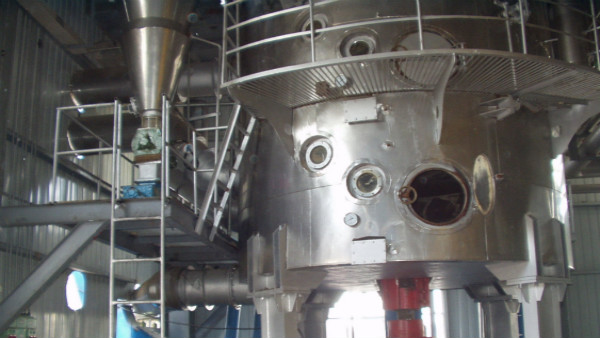
Let's take a look at how these strategies work for different types of oilseeds. For palm fruits, a specific pressing curve can be optimized to maximize oil extraction while dealing with the unique characteristics of the fruit. Similarly, for rapeseeds and peanuts, customized pressing curves can lead to significant improvements in oil yield and quality. The following data shows the comparison of oil yields before and after optimization for each crop:
Oil Yield Improvement:
To translate these theoretical strategies into practical on - site operations, a clear implementation plan is needed. This includes a parameter calibration process, where the key pressing parameters are accurately set according to the oilseed type and production requirements. Additionally, an effective abnormal response mechanism should be established to handle any unexpected situations during production, ensuring continuous and stable operation.
We understand that there may be many questions and technical challenges in the actual application of these strategies. That's why we've set up an FAQ section and a technical discussion area. Here, you can share your experiences, ask questions, and participate in the continuous improvement process of oil - pressing technology.
If you're eager to revolutionize your oil - pressing operations and boost your profitability, don't miss out on QIE Group state - of - the - art oil - pressing equipment. Click here to explore more and take the first step towards a more efficient future.